

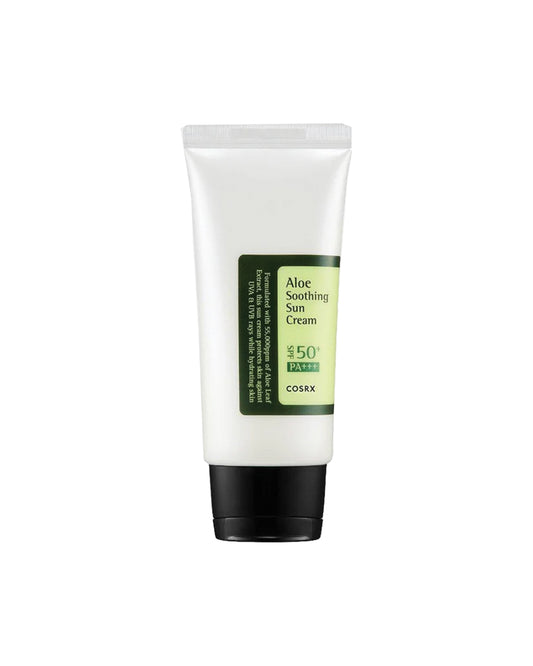
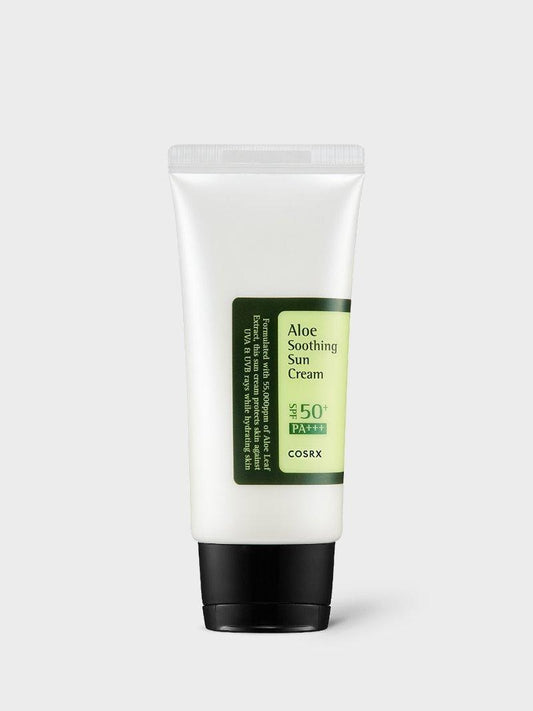
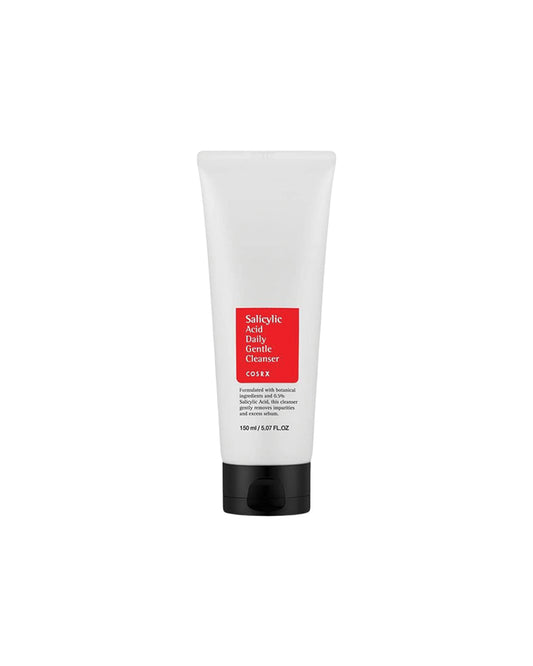
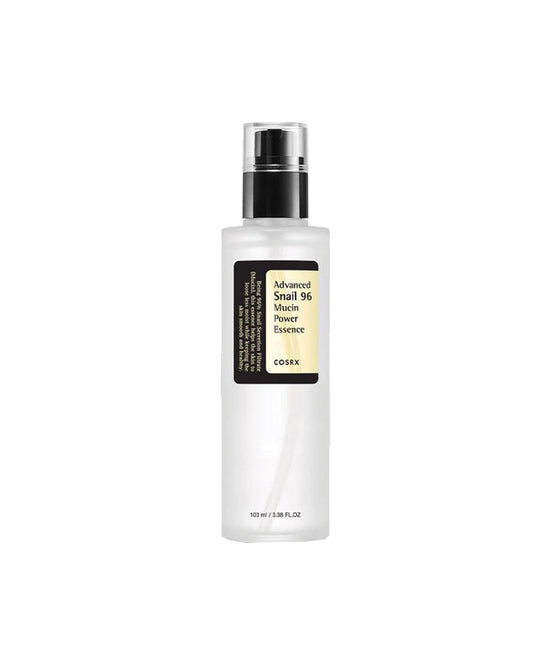
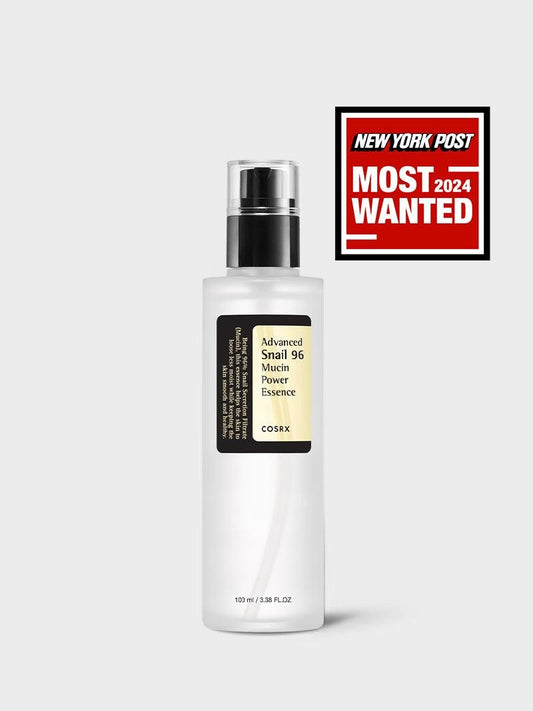


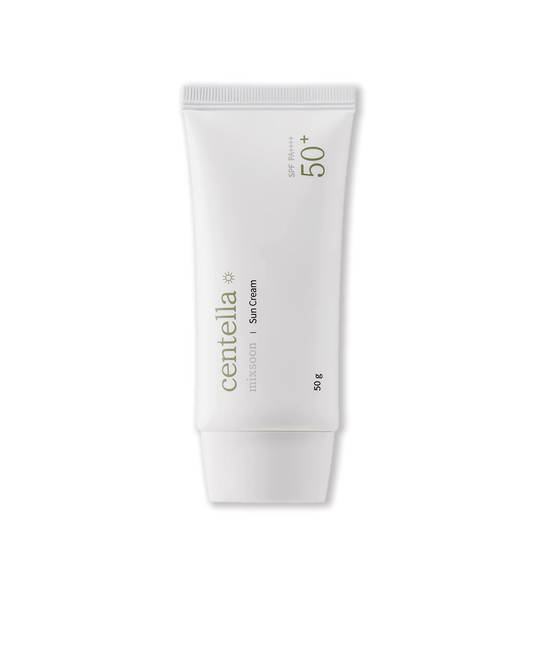

How a Selling Product Differs from a Profitable Product
15 Sep 2026
A product flies off the shelf.
The natural response is to say,
“This must be an excellent product.”
Not necessarily.
For those involved in Korean skincare wholesale, selling quickly is only half the story. You could be selling thousands of units but not be earning as much profit as you would from a low sales velocity product that earns you higher margins, repeat sales, and lower promotional expenses.
Knowing the difference will help you decide which products deserve more shelf space, which ones should be reordered, and which ones are worth investing in from an inventory budgeting perspective.
It's not just about finding fast-sellers.
It’s about finding the best products for your bottom line.
Q1. What is a fast-seller among Korean skincare products?
A fast-seller is a product that goes quickly through inventory.
For instance, you bought 300 units and sold them all in a short while; the product has high sales velocity.
Fast-selling Korean skincare products can prove attractive due to the following reasons:
- Generating quick cash flow
- Reducing the time spent on holding the stock
- Creating consumer interest
- Requiring frequent replenishment of stocks
- Helping retailers meet current demands
But sales velocity doesn’t necessarily mean profitability.
Q2. Why will a skincare product from Korea be profitable?
A profitable item will generate profit once you factor in the cost of selling the item.
In the simplest form it can be expressed as:
Selling Price − Cost of Sales = Profit
The Cost of Sales can include:
- Cost to purchase in wholesale
- Shipping/delivery charges
- Cost of discounts
- Cost of promotions
- Marketplace fees
- Payment fees
- Packaging costs
- Cost of returns or damaged items
- Marketing
An item that has a high selling price does not necessarily mean it has a high profit margin.
Alternatively, an item that has a lower retail price can be more profitable than one which has a higher selling price but is frequently discounted.
Q3. Is it possible for a quick-selling item to generate less profit?
Yes.
Consider two different products:
Product A
- Quick-seller
- Frequent discounting
- Low margin
- Many promotions
Product B
- Slow-seller
- Strong margin
- Minimal discounting
- Repeat business
Product A might appear to perform better since its units sell very quickly.
However, Product B might generate more profit for the business.
That is why retailers must consider more than units sold.
Q4. Why do retailers confuse volume with profitability?
Because sales are visible.
If 500 units were sold, the sales figure would sound very impressive.
However, the retailer will not see:
- What discount was applied
- What it cost to acquire the customer
- What the cost of delivery was
- What loss in inventory was experienced
- What profit was left after the costs
This creates a very dangerous condition for the retailer when sales figures are celebrated while profits are falling silently.
In the world of beauty wholesale and retail, revenue and profit should always be kept separate.
Q5. Is a product with a high margin always better than a fast-moving product?
No.
The margin is crucial, but a good margin with no sales is just dead stock.
Think about a product with a high margin, yet with very little sales.
The projected profit is very good.
The actual profit made is very little.
At the same time, there could be a product with a lower margin which sells consistently every week.
This is why retailers should focus on:
Margin + Sales Velocity + Repeat Demand
and not just on one of them.
Q6. How do discounts make a high-demand item into a poor seller?
Discounts may give the impression that the demand is high.
- Assume that an item is sold for AED 100.
- The price is slashed to AED 70.
There is a sudden surge in sales.
This is good—but ask yourself:
Is there really any increase in the demand, or has the reduced price generated the demand?
If the item only sells well when discounted heavily, its overall profitability may be lower than what sales figures indicate.
Therefore, retailers should calculate sales at various price points.
Q7. Why should retailers determine the profit per unit?
The profit per unit will give you a clearer picture of the actual profit made per sale.
For instance:
- Retail price: AED 100
- Total Cost: AED 60
- Profit: AED 40
A different item:
- Retail price: AED 80
- Total Cost: AED 45
- Profit: AED 35
The first product is more profitable per unit.
But if the second product sells three times as many units, its contribution is still higher.
So retailers should know both the:
- Profit per unit
- Total profit contribution
Q8. What is profit contribution?
Profit contribution examines the overall profit that a product brings in over a certain time frame.
For instance:
Product A
500 pieces x AED 20 profit = AED 10,000
Product B
150 pieces x AED 40 profit = AED 6,000
Product B earns more profit per piece.
However, the overall profit for Product A is more.
This concept enables retailers to realize why high margin may not equal high value.
Q9. Why should the notion of repeat purchases be taken into account while measuring profitability?
Due to the fact that the first purchase is not necessarily the most valuable purchase.
Assume that a consumer purchased a serum for the first time.
It means only one transaction occurred.
But the second consumer is buying the same serum every three months.
It means that now this product has an opportunity to earn multiple transactions out of a single consumer.
For Korean skincare retailing, such repeat purchase segments such as:
- Cleansers
- Sunscreens
- Moisturizers
- Toners
- Serums
may be of special interest since consumers tend to consume and replenish them.
The Fast-Selling vs Profitable Product Test
Before your next order for wholesale Korean skincare products, ask yourself these five questions about your top-performing SKUs:
1. Is it moving off the shelf quickly?
Yes? Then you've got customer demand.
2. Is it turning a healthy profit?
Yes? Then you've got financial value.
3. Are your customers coming back to buy it again?
Yes? Then you've got a possibility for retention.
4. Are you able to keep enough in stock?
Yes? Then you've got a sales opportunity.
5. Is it worth spending more money on compared to another SKU?
Yes? Then you've got a product that deserves investment.
The very best products can say yes to all five.
Conclusions
A fast-selling product is a good sign.
But fast doesn't necessarily mean profitable.
When shopping for Korean skincare products in bulk, your ultimate goal shouldn't be to sell products.
Your ultimate goal should be to curate an inventory that contributes to your business's success.
Some products will move volume.
Others will contribute to margins.
Others will bring traffic to your store.
Still others will encourage repeat visits from customers.
The wise retailers know how each SKU should be treated and act upon it.
Before you reorder the next best-seller for your store, consider asking not:
"How quickly did it sell?"
But:
"How valuable was it?"
Since, in retailing, the fastest-selling item is not necessarily the best for your business.
The fast-selling stock gives momentum; the profitable stock gives growth.
Before you reorder the next best-seller for your store, consider asking not:
"How quickly did it sell?"
But:
"How valuable was it?"
Since, in retailing, the fastest-selling item is not necessarily the best for your business.
The fast-selling stock gives momentum; the profitable stock gives growth.