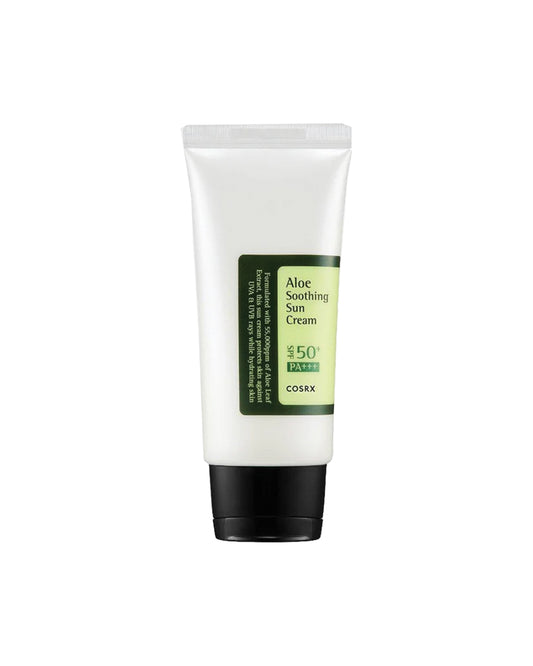
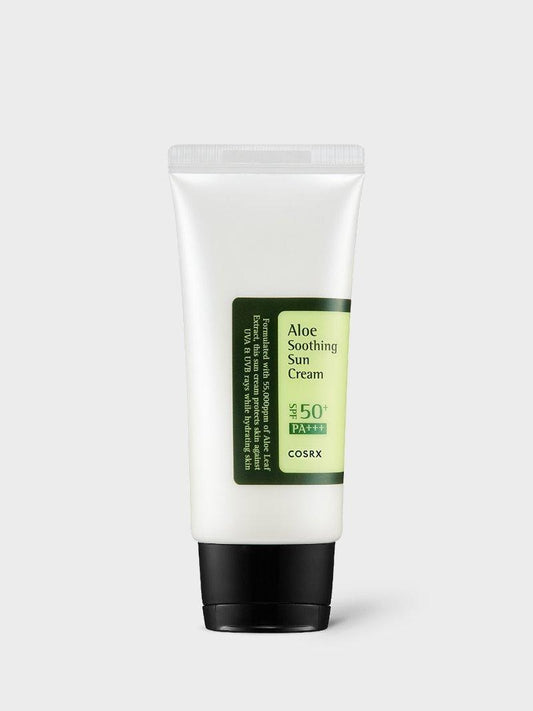
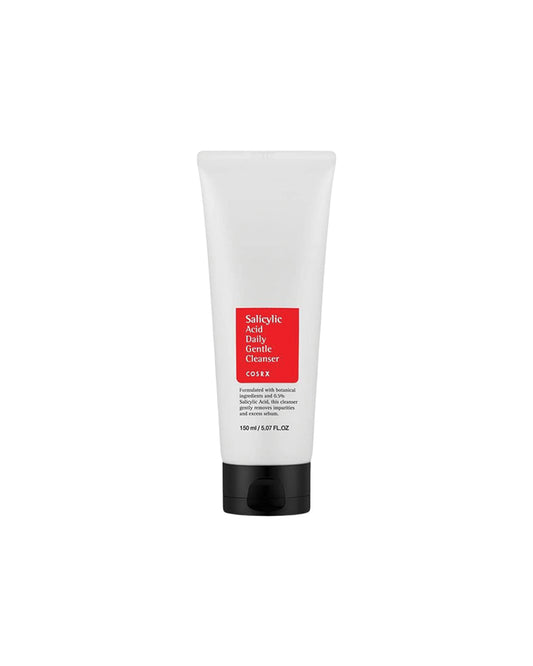
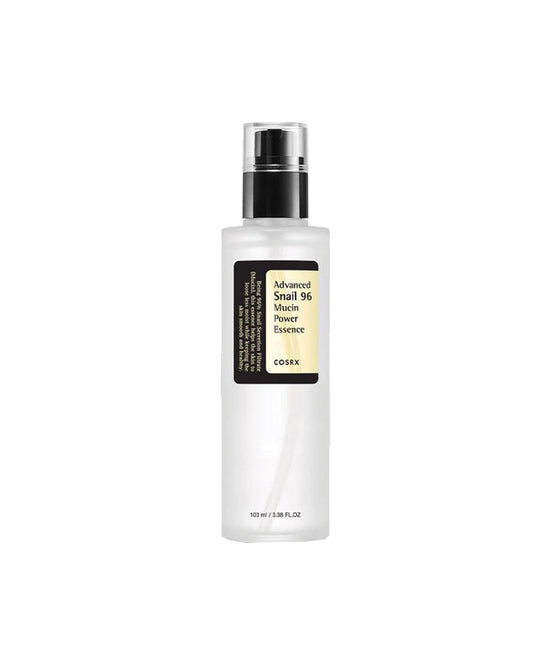
When establishing a Korean skincare store, some of the most important decisions don't always involve selecting product lines.
One of them could be how to procure the goods.
While the latter option seems more appealing at first glance, giving you better prices and more control, the first one still provides you with lower operational complexities, higher speed, reduced inventory risks, and easier access to goods that have already been sold locally.
There is no one-size-fits-all approach when it comes to sourcing.
Depending on your order volume, capital availability, warehouse capabilities, international trade experience, consumer demand and growth, the best sourcing strategy can vary.
These are the main questions retailers should answer before choosing one.
Q1. What is the difference between Korean skincare wholesale and direct importing?
Essentially, it is where and how you procure the inventory.
Korean Skincare Wholesale
- Purchasing products through a wholesaler who already procured and supplied inventory locally.
- The wholesaler takes care of most of the process while you only need to sell to your consumers.
Direct Importing
The purchase is made from a manufacturer, brand, or supplier in Korea, and you have to manage all the logistics of international shipping and importing yourself.
Wholesale makes things easier, but direct importing requires much more involvement on your part.
Put simply:
Wholesale = easy access to finished goods
Direct importing = more control and more responsibility
Q2. Does direct importing always save money?
No.
This is among the most prevalent fallacies about wholesale buying.
While a retailer may be able to get better prices for goods from the manufacturer in Korea, they would assume their overall cost will be less.
However, the total cost involved can actually consist of:
- Cost of product
- International shipping
- Insurance
- International clearance costs
- Clearance
- Documentary
- Warehousing
- Domestic shipping
- Currency conversion
- Minimum order size
- Unsold stock
The correct question is not:
"How much does the supplier charge?"
But rather:
"Once my product is ready to be sold, how much does this product cost?"
Q3. How can buying through Dubai Korean skincare distributors make things easier?
In the case of a retailer, this could mean:
- Faster product access
- Local deliveries
- Smaller replenishment sizes
- Less international shipping arrangements
- Inventory management
- Administrative ease
It will be especially helpful for small retailers who do not have import departments.
Rather than importing products from Korea, all you need to do now is market and sell.
Q4. Is it necessary to order more products when buying directly?
Many times, yes.
The problem of minimum order quantities is one of the features of direct sourcing from manufacturer or supplier.
In case of successful retailer, such order is quite doable.
However, for a new business, it is quite dangerous to buy too much of an unfamiliar product.
Now imagine that you have found a product which is good and you think that it is going to sell well.
You are faced with the following alternatives:
Alternative A
To test the demand via local distributor.
Alternative B
To order big quantity from foreign supplier without knowing how you customers are going to react.
For a new retail business, Alternative A is sometimes preferable choice.
Q5. What is the better choice for a new Korean skincare retailer?
Why?
Well, at the beginning, any new business needs to understand:
- Which products sells best
- Which brands does customers like
- Which price points work for customers
- Which categories make people buying again
- How fast the inventory turns around
Q6. Is direct importing more beneficial for established retailers?
It is possible.
Established retailers can benefit from direct sourcing since they can have an opportunity to:
- Buy in bulk
- Negotiate the terms of purchases
- Plan ahead their shipments
- Organize the warehousing
- Organize the process of importation
- Develop relationships with suppliers
However, size alone does not guarantee that direct import is better.
A retailer still needs to analyze how total landed costs and operations will compare with wholesale purchases in the country.
Q7. What are the biggest advantages of Korean skincare wholesale?
There can be several advantages of wholesale sourcing.
1. Smaller Starting Batch Sizes
Retailers will have an opportunity to buy a smaller batch than in case of direct importing.
2. Quick Delivery
Products are delivered quicker due to the proximity of wholesalers.
3. Less Complicated Operations
Distributors take care of all the operations upstream.
4. Opportunity to Test Products
Retailers have an opportunity to test the products.
5. Improved Cash Flow
More frequent small orders minimize the amount of cash locked in the inventory.
For emerging companies, these benefits can be crucial.
Conclusion
Direct importing appears alluring since it makes the customer feel he/she is buying directly from the supplier.
However, direct import is not always beneficial for the retailer.
In case of UAE companies, dealing with a trustworthy distributor of Korean skincare wholesale products enables a company to have the ability to experiment with the product, replenishment quickly, cash flow management, and no unnecessary supply chain complexities.
If the business grows and develops, then direct importing will be beneficial only for a selected few products.
The best strategy is not selecting one type forever.
It is selecting the right strategy for the right time.
Wholesale is flexible. Direct Importing is controlled.