

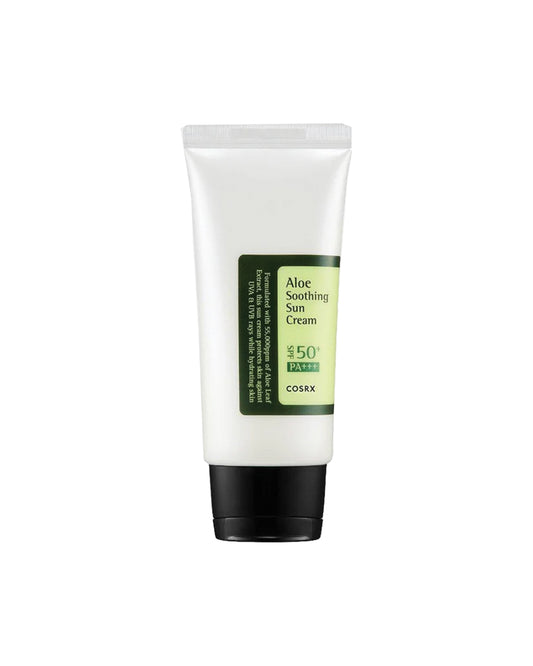
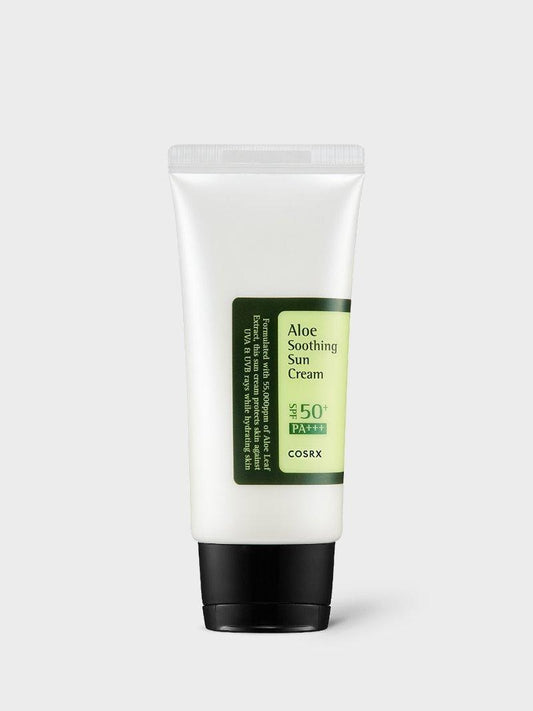
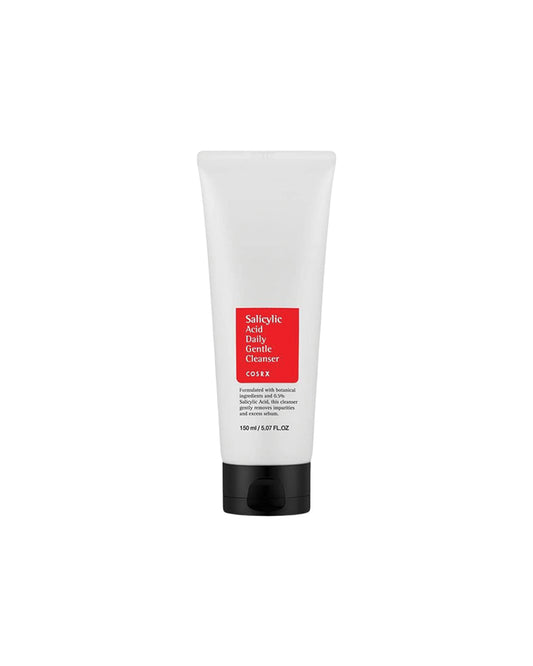
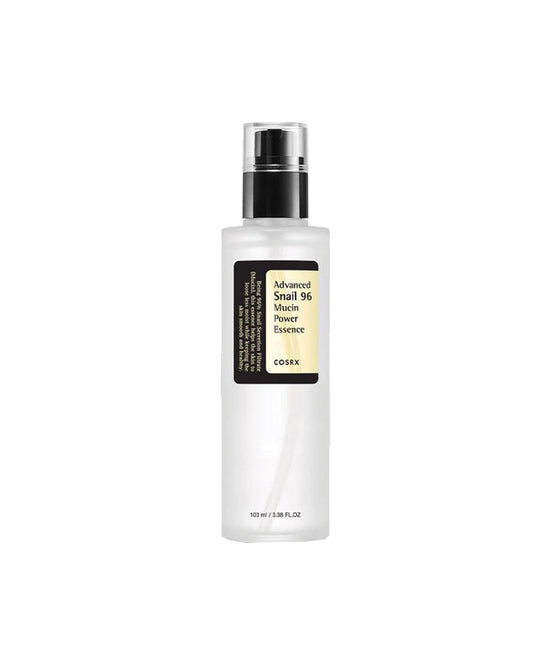
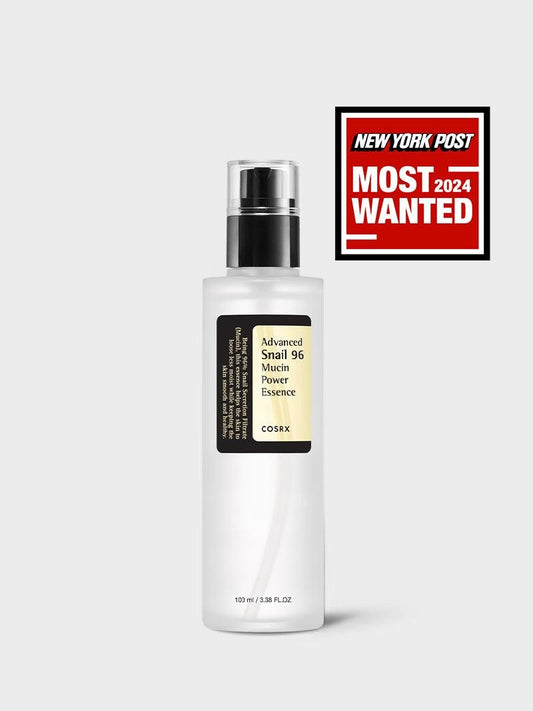



From Viral to Verified: The Role of Data in Assessing K-Beauty Trends for Retailers
Product becomes popular on TikTok.
People begin searching for it. The influencers are speaking about it. People start demanding it. Competitors start selling it.
The most natural response would be:
“We have to order it.”
However, for beauty retailer, virality does not mean demand.
K-Beauty is currently one of the top-growing global beauty categories, as per latest NIQ's global data, which reports 53% year-over-year growth in K-Beauty value sales. Simultaneously, social commerce is becoming a major product discovery channel.
There is an incredible opportunity here—yet a lot of risk related to inventory as well.
The true question is not:
“Is it a popular Korean skincare product?”
The question should be:
“Is it popular enough to warrant my investment?”
When dealing with Korean skincare wholesale distributor, data can assist in separating virality from potential.
Here are the questions that must be asked.
Q1. If something goes viral, does that mean it is definitely going to sell?
No, because social media gives data about attention and not necessarily purchase.
Even something that is seen millions of times might not sell well.
For instance:
Step 1: Influencer posts product
↓
Step 2: More views and searches
↓
Step 3: Customers test it out
↓
Step 4: Sales go up
↓
Step 5: Either customer repurchases or moves on
Step five tends to be overlooked.
For Korean skincare wholesalers, step five is where things get more interesting.
Question 2. What kind of data do the retailers need to look at before purchasing the viral Korean skin care product?
It should not be based solely on one figure.
Some factors need to be considered together:
Search interest
Are people searching for this product or ingredient?
Sales
Do people purchase the product?
Sell-through
How fast is the inventory sold out?
Repeat purchases
Do people purchase the product again?
Reviews
Do people constantly have good experience from using it?
Social buzz
Has the buzz about it died out quickly?
Price
Is it commercially viable at a predicted retail price?
If several signals go in one direction, the retailer will be more confident about purchasing the product.
Q3. What are some ways for retailers to analyze search trends when measuring K-Beauty demand?
Q4. Should retailers rely on TikTok while choosing what Korean skincare products to offer?
Q5. What does sell-through tell a Korean skincare retailer?
Q6. Why are repeat purchases considered one of the most reliable indicators of the success of a trend?
Q7. Is it wise for retailers to consider reviews while analyzing a trending Korean beauty care item?
- Texture?
- Application?
- Packaging?
- Effectiveness?
- Skin sensation?
- Value for money?
- Purchase intention?
Q8. How can retailers determine whether an ingredient trend has any legs?
- Is there growing interest?
- Do many brands utilize this ingredient?
- Are consumers actively searching for this ingredient?
- Are retailers actually selling anything with the ingredient in it?
- Does the ingredient solve a skincare problem?
Q9. Do retailers need to be sure that a product will be proven to be a hit before they purchase it?
Q10. How do I know how many trending products to buy?
- Past category sales
- Projected demand
- Current consumer interest
- Budget available
- Price of the product
- Reorder lead time
- Supplier stock status
Q11. What is a trend validation score?
Q12. Why should retailers compare a trending product to what they currently have in stock?
- 6 hydrating serums
- 5 soothing serums
- 4 barrier creams
Q13. Can a trending product be global, but still unsuccessful in the UAE?
- Climate
- Customer preference
- Price sensitivity
- Skin problems
- Retailers
- Market competition
The Viral-to-Verified Framework
When looking to purchase large quantities of Korean skincare wholesale products, follow this simple framework:
1. DISCOVER
Identify the trending products using social media, trend searches, influencers, marketplaces, and customers.
2. VALIDATE
Verify sales, reviews, category demand, and market fit.
3. TEST
Purchase a limited amount instead of over purchasing right away.
4. MEASURE
Monitor sell-through rates, customer feedback, margin, and repeat purchases.
5. SCALE
Scale up only when data shows there is enough demand.
6. REVIEW
Continue monitoring even when the trend has succeeded.
Because all trends eventually become outdated.
Conclusion
The K-Beauty world is changing fast. The numbers from NIQ speak volumes about international growth, while industry analysis becomes more and more focused on data, ingredients, and efficacy.
Both opportunity and danger lie here for the retail stores.
Opportunity : finding out the next big thing before anyone else.
Danger : purchasing too much of something that may not become popular yet.
This is how a good Korean skincare wholesale buying strategy should not begin.
"What's trending online?"
What it should begin with is:
"What do the numbers say?"
The internet will show you what's trending.
Sales figures will show you what's validated.
Repeat orders will show you what's proven.
While a good Korean skincare wholesale supplier will show you how to react when the sales move.
Don't put something into your inventory simply because everybody is talking about it. Put it there when the facts say that people want to buy it and come back for it.