




Why Some Korean Skincare Products Sell Out Instantly — While Others Dont
Korean skincare has become one of the most competitive and fast-moving categories in the beauty industry. Yet, retailers across markets like Dubai often notice a pattern: some products sell out within days, while others remain untouched for months.
This difference is not random. It is driven by a combination of consumer behavior, product positioning, and wholesale strategy. Understanding these factors can help retailers make smarter inventory decisions and avoid unnecessary losses.
Understanding Demand: It Starts Before the Product Hits Your Shelf
One of the biggest misconceptions in retail is that products succeed only because of their quality. While quality matters, demand is often created before a product even reaches your store.
Customers today are highly influenced by:
- Social media trends
- Beauty influencers
- Ingredient awareness
- Online reviews
By the time a product reaches your shelf, many customers have already decided whether they want it or not.
Retailers who align their inventory with this pre-existing demand naturally experience faster sales.
The Role of Ingredients in Driving Sales
In Korean skincare, ingredients are not just a feature — they are often the main selling point.
Certain ingredients consistently attract attention, such as:
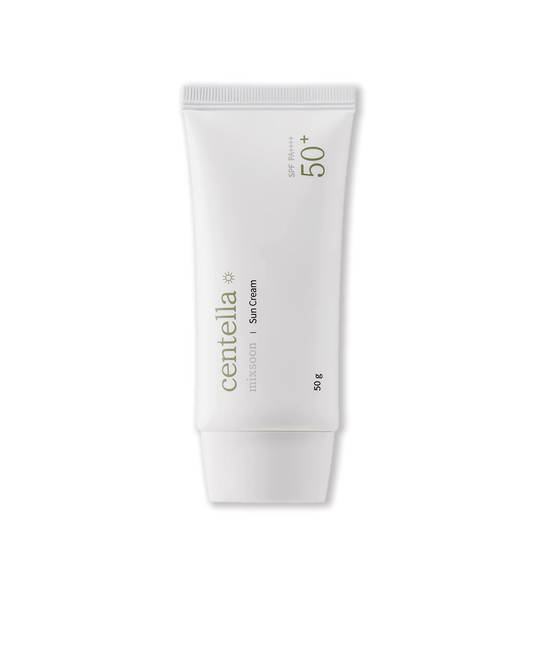
- Centella Asiatica for calming skin
- Niacinamide for brightening
- Hyaluronic acid for hydration
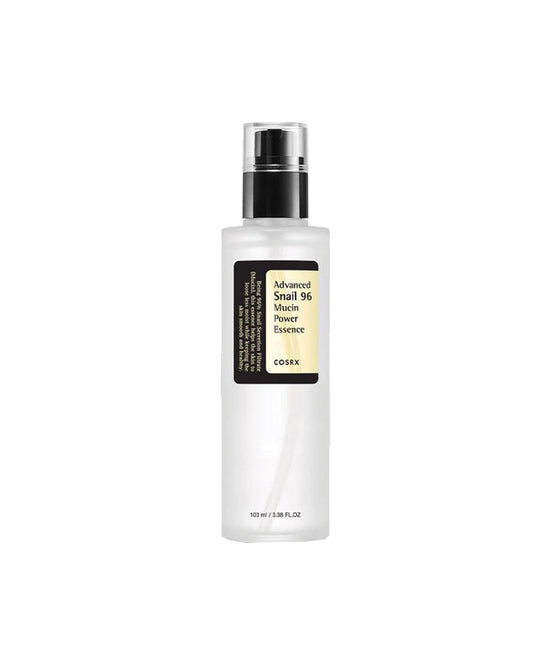
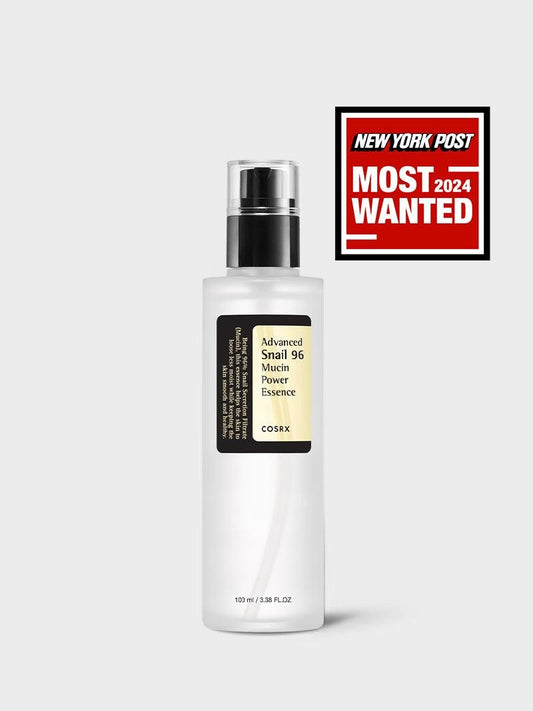
- Snail mucin for repair
Customers actively search for these ingredients, making products that contain them easier to sell.
On the other hand, products without clear ingredient positioning often struggle because customers don’t immediately understand their benefits.
Clarity Sells: Simple Messaging Wins
A product that clearly answers the question “What does this do for me?” will always perform better.
High-performing products usually:
- Highlight one main benefit
- Use simple, direct messaging
- Solve a specific skin concern
For example:
- “Hydrating toner for dry skin”
- “Acne control serum”
When customers can instantly understand a product, they are far more likely to buy it.
Packaging and First Impressions Matter More Than You Think
Before a customer reads the label, they see the packaging.
Korean skincare brands excel at creating:
- Visually appealing designs
- Clean and modern aesthetics
- Social media-friendly packaging
This plays a huge role in:
- Attracting attention
- Encouraging product interaction
- Driving impulse purchases
In retail environments, packaging often determines whether a product gets picked up or ignored.
Pricing Strategy: The Sweet Spot That Drives Sales
Pricing is another critical factor that influences product performance.
Products that sell quickly usually fall into a “perceived value” sweet spot:
- Affordable enough for impulse buying
- Premium enough to signal quality
If a product is priced too low, customers may question its effectiveness.
If it is too high, customers hesitate unless the brand is already well-known.
Finding the right balance is key to consistent sales.
The Importance of Timing in Wholesale Buying
Timing plays a bigger role than most retailers realize.
Buying into a trend too late can lead to:
- Slower sales
- Increased competition
- Overstocking
On the other hand, early adoption allows retailers to:
- Capture initial demand
- Build customer trust
- Position themselves as trend-aware
Working with a wholesale partner who tracks market trends can give you a significant advantage.
Why Some Products Fail — Even If They Are Good
Not every slow-moving product is bad. In many cases, products fail because:
- They are not suited to the local market
- Customers are not aware of them
- Their benefits are unclear
- They were overstocked
Retail success is not just about product quality — it’s about product-market fit.
Final Thoughts
Fast-selling Korean skincare products are not accidents. They are the result of alignment between demand, positioning, and presentation.
For retailers, the goal is not to stock more products —
it is to stock the right products at the right time.
When done correctly, this approach leads to:
- Faster inventory turnover
- Better cash flow
- Stronger customer retention