

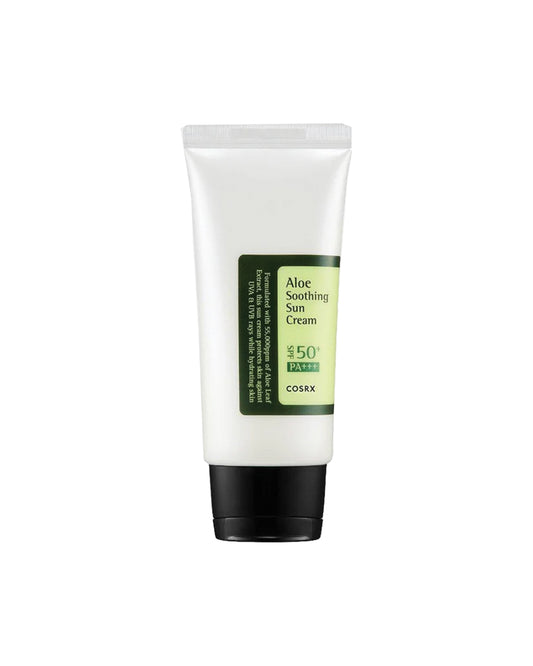
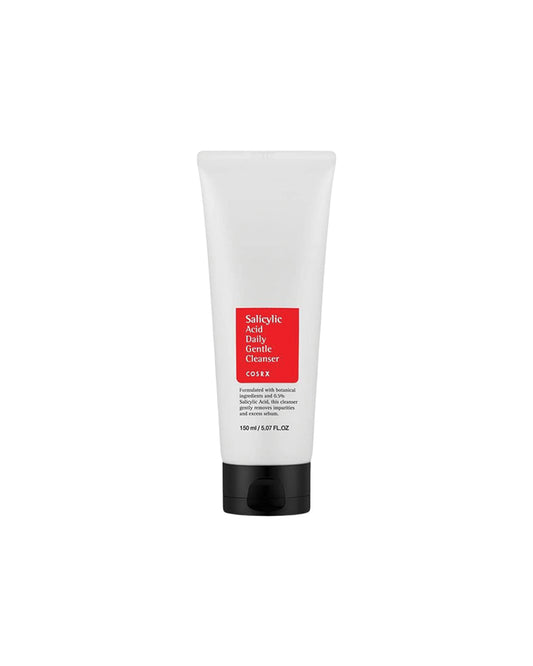
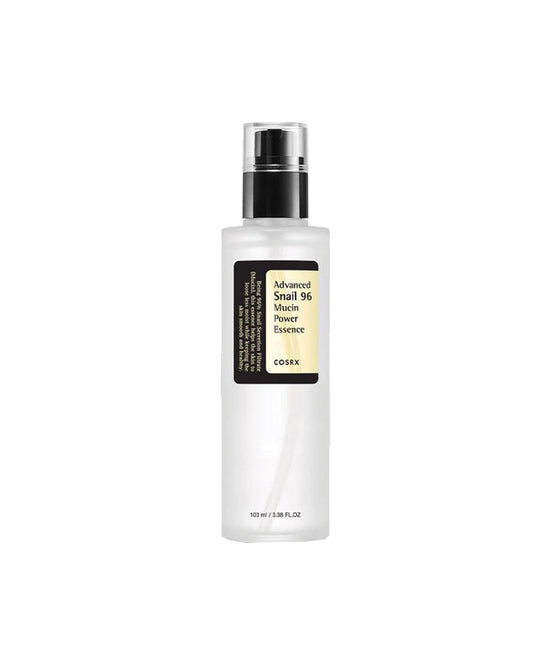



How to Know When a Korean Skincare Product Should Be Removed From Your Inventory
29 Aug 2026
Not all Korean skin care products will make their way into your permanent inventory.
The product can be appealing when you bought it, popular when it was launched and end up taking up space on your shelves for months.
While it may be easy to spot a slow moving product, it's not always easy to know when you need to discontinue it.
Holding an underperforming SKU for too long will tie up your cash flow, take up precious shelf space and prevent you from investing in other products.
We think that the decision about which product to continue with should be based on its performance and not on your personal preference of certain product or brand.
So let's see how you can figure out which products to keep and which to stop investing in.
Q1. How do I recognize a slow moving Korean skin care product?
Just because a product sells slower than your top seller, it doesn't mean it's underperforming.
You need to assess its performance considering:
- How long it has been in stock
- How much inventory you bought
- How many units have sold
- How frequently your customers purchase it
- How big is its margin
- Comparable products in your selection
For instance, when you have been stocking a certain product for several months and it didn't generate good sales even though it had good visibility, you may consider evaluating it further.
The critical question is:
Is this product generating enough sales to justify costs and space on my shelves?
Q2. Should I discontinue a product just because it is not moving fast?
Not right away.
Some products need more time because they:
- Are new on the market
- Are less familiar to consumers
- Are seasonal
- Are more specialized
- Have high price point
Before you decide to discontinue a product, determine whether the problem lies in the product or in the way it is being marketed.
- Is it really visible to consumers?
- Is the product being positioned properly?
- Does it have competitive pricing?
- Does the consumer understand what it does?
Q3. How long do I have to keep the slow-moving product?
There is no single standard answer.
This is dependent on the product type, cost, demand, and your business model.
Rather than employing a rule like, "Remove all that don’t sell in 30 days," track their performance over time.
Identify patterns such as:
- Low sales
- Not buying again
- Low customer interest
- Reducing demand
- Too much stock left
Your aim is to find underperforming products, not penalize products for being slow-moving.
Q4. Define dead stock and differentiate between slow-moving inventory and dead stock.
Both of them are usually mistaken.
Slow-Moving Inventory
The product sells but at a slower pace compared to your other products.
Dead Stock
Inventory with little or no sales movement.
The distinction is important.
A slow-moving product is worth something because it caters to a specific customer base.
Dead stock, however, keeps consuming:
- Funds
- Space in storage
- Aisle space
- Management effort
This is why proper Korean skincare inventory management by retailers is essential.
Q5. Can a product be high-quality and still require removing from shelves?
Absolutely!
This is one of the fundamental principles of beauty retailing.
Even if a product is good in terms of quality, it may be not enough to make it sell well as:
- Your customer is not aware of the brand
- Price does not correspond to local demand
- The product deals with an issue which is not widely spread
- Too many similar products are present on the market
- It does not fit your specific target audience
- Commercial success of the product does not necessarily reflect its quality.
High-quality products can be inappropriate for your specific consumer audience.
Q6. Shall I remove products that compete with each other?
Occasionally.
Let's assume you have eight products which are very close hydrating serums.
When consumers are faced with almost the same product, their choice will become much harder.
Retailers can streamline the assortment of their shops by limiting the number of competing products to the following groups:
- Hydration – 1-2 products;
- Brightening – some treatment products;
- Barrier care – some products;
- Sun protection – bestsellers.
Q7. What if a product used to be successful, but currently is not selling?
In such situations retailers have to separate the popularity of the product in the past from its current state.
A product can be successful due to:
- TikTok video which went viral;
- Influencers who used the product;
- Marketing campaign which accompanied the launch of the product;
- Ingredient's trend.
However, any trend goes through lifecycle and becomes obsolete. If the product continues losing its positions after the hype goes down, there is a point in decreasing the number of products in the future.
Q8. Do retailers need to take out Korean skincare products which have become unpopular?
No.
Sometimes, products stop being viral, but still manage to bring steady sales.
Such products can be more profitable than those which get a great deal of attention for a few weeks and then go away.
Your products can be split into two groups:
- Trend Products
- Great for drawing attention and trying out new products.
- Evergreen Products
- Products which people keep buying no matter what social media say about them.
A good Korean skincare wholesale strategy will require both categories, but mostly evergreen ones.
Q9. Which sales data should I analyze before removal?
In order to make a decision, you should examine:
Units Sold
How many units did it sell?
Sales Frequency
Is the product sold on regular basis or not?
Reorder Rate
Do the existing clients return to buy it?
Profit Margin
Is there enough profit to sell this product?
Inventory Age
How long it has been here?
Sell Through Rate
What share of the bought inventory has been sold?
Numbers will give you better understanding than visual inspection of the product and deciding if it seems popular or not.
Q10. Can customer feedback help me decide if it should be taken out?
Yes.
Sales data will show you what is going on.
Customer feedback can give some insight as to why.
Customers will tell you:
- The texture was unexpected
- The packing was not clear
- It's too expensive
- They prefer some other product
- They do not understand the use of this product
Q11. Should I discount the slow-moving Korean skincare products before removing them?
Discounting could be one of the possible actions; however, it shouldn't become the first one. It is necessary to understand what is wrong with the product before doing anything else. Depending on the case, retailers could:
- Visibility issues → improve merchandising.
- Lack of awareness → increase customer education.
- Overproduction of the same product → decrease variety.
- Price sensitivity → reconsider prices.
- Underdeveloped demand → reconsider orders in the future.
Discounting will help in liquidating the inventory, but repeatedly discounting the same products will reduce margins.
Q12. What should I do after deciding to remove the product?
Removing a product doesn't automatically imply that the remaining inventory will be thrown away.
In different cases, retailers could:
- Stop ordering this product
- Decrease shelf allocation for the product
- Create bundles with complementary products
- Implement limited promotions
- Sell off the product in the clearance section
- Sell out the remaining inventory before replenishing it
The most important thing is to stop investing in a product that turned out not profitable enough.
Q13. What can I do to avoid repeating the same inventory mistake again?
It is essential to prepare a brief checklist of criteria before making a purchase of a new Korean skincare product.
Checklist includes such questions as:
- Does the product solve the common problem of customers?
- Does it complement the current variety?
- Is there demand?
- Is the product's price appropriate for my customers?
- Does it have repeat-purchase potential?
- Can I ensure the supply of this product regularly?
- What happens if the demand turns out to be low?
Q14. What help could a Korean skincare wholesale distributor provide for making inventory decisions?
With the help of the right Korean skincare wholesale distributor, a retailer can make the right purchasing decisions by learning about:
- Product availability
- Category demand
- New launches
- Fast movers
- Opportunities to replenish
- But remember that your sales data is critical.
The smartest inventory decisions are made with the combination of distributor knowledge and customer data.
Q15. Are you supposed to cut out all the slow-moving items from the retail business?
No.
In the healthy inventory, different product types should coexist.
Core Products
Products which regularly provide income.
Growth Products
Items with growing demand.
Trend Products
Products which follow market interest.
Niche Products
Slow-moving items for a specific target audience.
Your goal is not to have every product become a bestseller.
Your goal is to make sure that every SKU has its commercial purpose.
Conclusion
It is important to know when to drop out the Korean skincare product from the inventory as much as to know how to select it.
It is not the number of SKUs you want to maximize in your inventory.
It is the number of SKUs which exist in your inventory for the following reasons:
- Customer demand
- Sales performance
- Profitability
- Reorder
- Strategic value
Ordering the items which are not selling well just because you have already invested in them is not the way to get the money back.
Sometimes it makes sense to drop the item out, dispose of the existing stock and invest this money in another product.
When it comes to the retail business with a Korean skincare wholesale distributor, such reviews of inventory are going to help in making more strategic purchasing decisions.
The best inventory is not the one with the maximum number of SKUs.
It is the one with the right SKUs.