



How Beauty Retailers Can Predict Which Korean Skincare Trends Will Last
22 Jun 2026
A Retailer’s Guide to Detecting Sustainable Trends in Korean Skincare Industry
The Korean skincare industry has always been innovative with quick product launches and discoveries of popular cosmetic products every season.
But for retail stores, the biggest obstacle is not finding those trends; it is finding out which trends in Korean cosmetics will become sustainable over time.
It does not mean that an increasing popularity of a certain product on social networks ensures its popularity in future. Smart retailers can make a difference between fad and sustainable trends.
Wholesale purchase of Korean skincare products will be easier for companies when they predict the sustainability of the products.
The Importance of Trend Prediction in Wholesale Purchase of Korean Skincare Products
The beauty industry changes very quickly.
A product may become viral for several days but then loses interest from customers immediately.
So, a company following all trends runs into risks of:
- Extra inventory
- Slow-moving products
- Discounts
- Decreased profit margins
Successful retailers not only ask the question:
- “Is it popular now?”
- They ask the next one:
- “What about sales in six months?”.
Trend vs. Long-Term Demand: What You Need to Know
Not all popular products become top sellers.
The characteristics of a short-term trend are:
- Social media visibility
- Influencers’ promotion
- Going viral
- Temporary buzz
Sustainable Korean skincare trends are characterized by:
- Genuine consumer needs
- Efficient ingredients
- Possibility of repeated purchases
- Convenience of use
For instance, skincare products that help with hydration, sensitive skin, pigmentation, and skin barrier repair tend to retain their popularity.
1. Examine the Problem Solved by the Product
Sometimes it is possible to determine which trend will stick based on the problem solved by a particular product.
Skincare products related to consumers' everyday issues have greater prospects.
Among such examples are:
- Hydrating skincare products
- Barrier repair creams
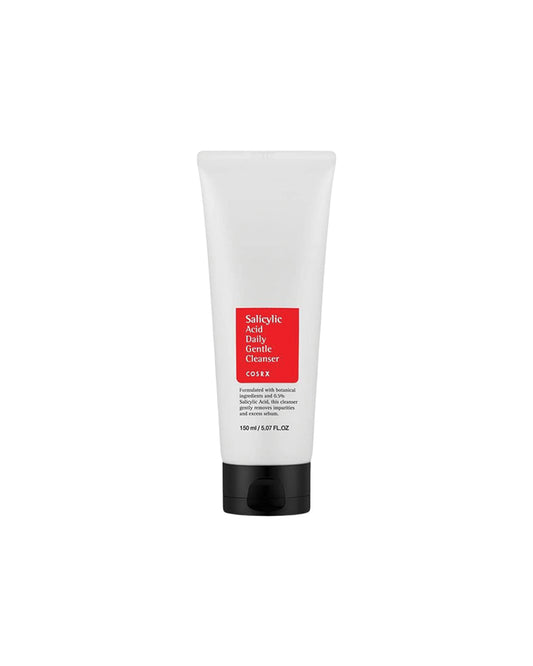
- Gentle cleansers
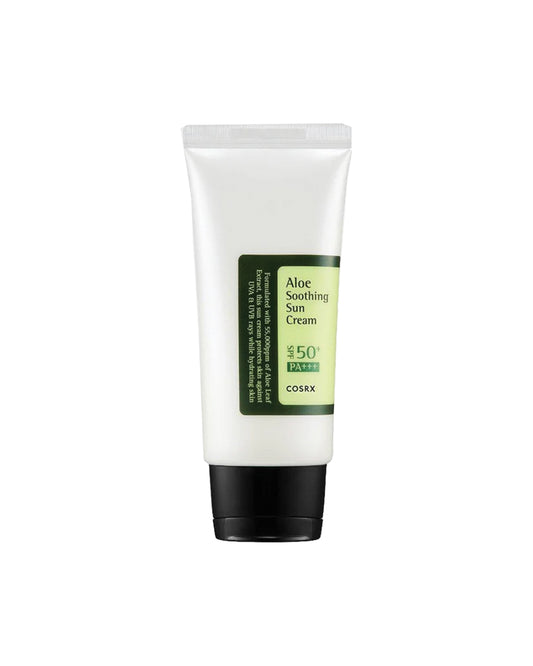
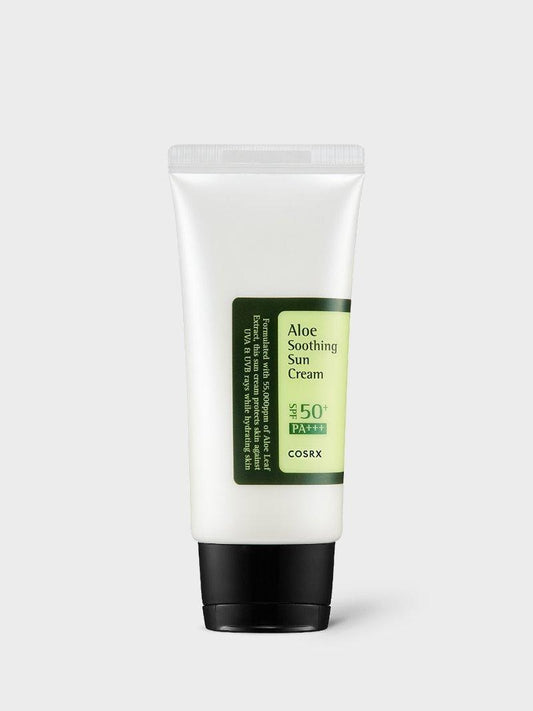
- Sun protection creams
- Skin brightening products
This type of products stays relevant since customers keep buying them despite seasonal trends.
2. Evaluate Repeat Purchase Potential
The item may be sold fast at first glance; however, the actual point is:
- Is it worth buying again?
- Repeat purchase items are more profitable for retailers since they generate regular income.
The following features are common for fast-moving K-beauty items:
✔ Daily use
✔ Easy to apply
✔ Visible benefits
✔ Routine-friendly
An item that turns out to be a part of the customer’s daily skincare routine has higher prospects.
3. Look into Ingredients' Trends
The ingredients tell about the trend life cycle.
Some ingredients attract people’s attention because they are demanded by customers and are part of skincare education.
They include:
- Centella asiatica – anti-inflammatory ingredient
- Niacinamide – brightening ingredient
- Hyaluronic acid – hydration ingredient
- Ceramides – ingredient for the skin barrier
If customers search for the ingredients, the retailer can expect the product popularity to grow.
4. Evaluate Your Local Market for Trends
What works in one market will not necessarily work in all other markets.
For retailers in the UAE and the Middle East, parameters such as:
- Climate
- Lifestyle of customers
- Issues with their skin
- Texture preferences
are of vital importance.
For instance, lighter formulas tend to do well in hot weather since customers favor products that are easy on their skin.
5. Assess Your Retail Performance, Not Just Social Media Buzz
It is only one of the parameters to take into consideration.
In addition, retailers need to assess:
- Frequency of reorders
- Feedback from customers
- Product reviews
- Consistency of sales
How a Korean Skincare Wholesale Distributor Assists Retailers in Spotting Trends
A well-established Korean skincare wholesale distributor has a wider scope of the market.
They consider such factors as:
- Movement of products
- Demand of retailers
- Performance of categories
- Buying behavior of consumers
That helps retailers make better purchasing decisions rather than just basing it on the Internet trends.
Building a Balanced Korean Skincare Inventory
The optimal inventory management consists of:
- Evergreen Products
- Products with stable demand:
- Cleansers
- Moisturizers
- Sunscreens
- Basic skincare products
- Emerging Trends
Fresh perspectives:
- New ingredients
- New format of the products
- Emerging skin care concerns
It guarantees reduced risk and an opportunity to capitalize on fresh perspectives.
Conclusion
Forecasting the trends of successful Korean skincare is not about guessing which products will go viral.
It is about knowing:
- Customer behavior
- Purpose of the product
- Potential for repeat purchase
- Market demand
For beauty retailers, the main objective is not in chasing the trends.
It is in identifying trends valuable for the long term.