




The Shelf Space Formula: Which Korean Skincare Products Deserve Your Display?
05 Aug 2026
The role of each shelf in your store is to drive sales.
No matter whether you run a beauty store, pharmacy, salon, or online store, the shelf space is one of the most valuable resources in your business. But often, retailers populate it with products according to trends, packages, and other reasons rather than demand.
Being a Korean wholesale distributor of skincare products, we realized that the products occupying your shelf can affect customer experience, stock rotation, and profitability.
How do you choose which products should take up your shelf space?
Answering the most common questions.
Q1. What is the importance of shelf space in retail?
Shelf space is limited.
Each product on your shelf takes:
- Investment in your business
- Storage
- An opportunity for sales
- Attention of your customer
When one of the products doesn't sell, it stops another more successful product from being there.
Successful retailers always ask not:
"What else can I add?"
But:
"What deserves to stay?"
Q2: Should all Korean skincare products be featured on the shelf?
No.
One of the biggest mistakes that retailers make is to attempt to feature all their products on the shelves.
A carefully curated product assortment works much better because shoppers easily understand:
- What the product does,
- Who it is meant for,
- And why they need it.
Having too many choices usually confuses people.
Q3:Which Korean skincare products need premium shelf space?
Products that are effective at solving daily skincare problems need to be prioritized.
Such products include:
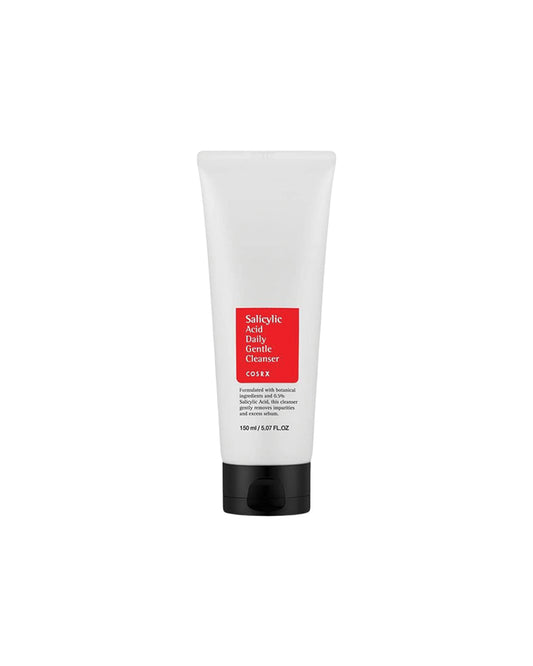
- Gentle Cleansers,
- Hydrating Moisturizers,
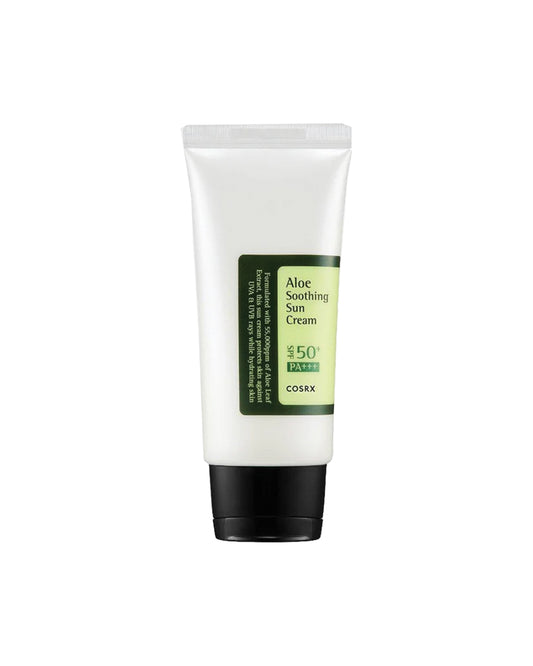
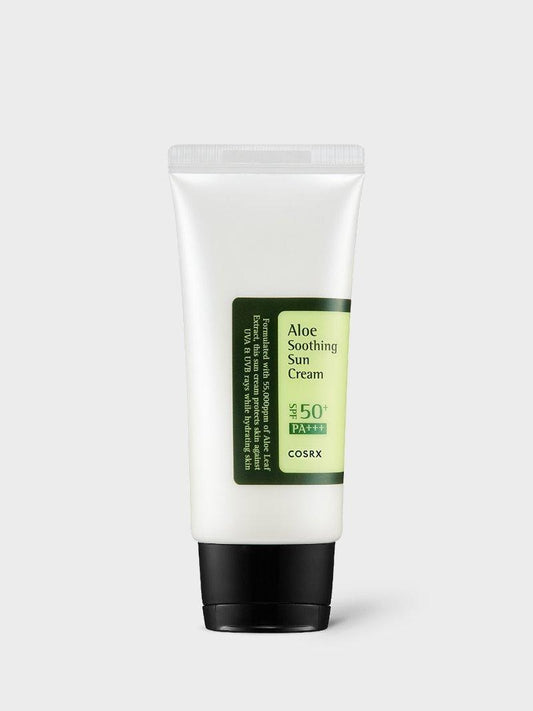
- Sunscreen products,
- Barrier Repair creams,
- Hydrating toners,
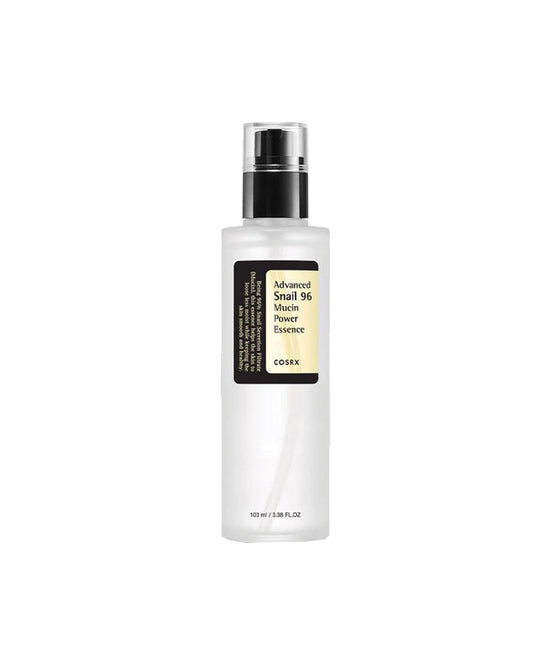
- Everyday serums.
These products are used daily by shoppers.
Q4. Is it always necessary to showcase trending products?
No.
Trending products are indeed eye-catching, but they must not be used to replace established bestsellers.
A more efficient way would be to allocate a smaller space to:
- New launches
- Seasonal products
- Viral ingredients
- Limited editions
Q5. What questions should retailers ask when deciding whether to allocate shelf space to a certain product?
Here are the five main questions:
1. Does it solve a common problem in skin care?
Skin products targeting hydration, acne, sensitivity, or sun protection will have a broader appeal.
2. Is there a good opportunity for repeated sales?
Repeat purchase products will generate much higher profits in the long run.
3. Does the demand remain constant?
Constant-demand products must receive more attention than fleeting trends.
4. Is it easy to explain?
If your customer needs to listen to a long explanation before purchasing, he might need education rather than a better shelf location.
5. Is it something I sell to my target audience?
Retailers should prioritize products that match their customers' needs—not simply what's popular globally.
Q6. Can having too many alike products hurt sales?
Yes.
Consider:
- 15 foam cleansers
- 12 vitamin C serums
- 10 moisturizers offering virtually the same benefits
These may not serve as a convenience, but rather as a source of decision-making overload for the buyer.
Curating an optimal assortment will ensure quick purchase decisions by customers.
Q7. How frequently should retailers assess their shelf space?
Shelf space allocation is not a once-off activity.
Savvy retailers continuously monitor:
- Monthly sales results
- Reorder ratios
- Seasonal trends
- Inventory turnover
- Customer responses
Unsuccessful products need to be reassessed and replaced where required.
Q8. Should shelf space be determined by profit or popularity?
Both ideally.
Some items provide high profit margins, yet their sales are low.
Other items have quick sales, but low margins.
The best item mix includes:
✔ Quick-selling staples
✔ Profitable treatment items
✔ Well-selected trending items
It gives stability and profitability.
Q9. How does a Korean skincare wholesale distributor help retailers optimize their shelf space?
A seasoned Korean skincare wholesale distributor does more than suggesting products.
They help the retailer learn what items:
✔ Have consistent performance
✔ Get reordered by the customers
✔ Are trending and sustainable
How to minimize slow-moving stock.
This information will help the businesses make the most out of each available shelf.
Q10. What would be the optimal product mix for a beauty retailer?
Although each company may be unique, here is an example of a typical Korean skincare display mix:
40% - Daily Essentials
These are products that customers should replace frequently, such as:
- Cleansers
- Moisturizers
- Sunscreen
30% - Treatment Products
These are products designed to help with various issues, such as:
- Serums
- Ampoules
- Spot treatment
20% - Trending Products
These are products with:
- New ingredients
- Viral formulas
- Seasonal launch
10% - Discover Products
These are products that will encourage the customer to try something new, such as:
Sheet mask
- Lip care
- Eye care
- Mini sizes
- Travel packs
Q11. What is the biggest mistake when it comes to shelf space?
It is a common belief among retailers that a larger assortment of products means higher sales.
In fact, overloaded shelves usually cause:
- Slower inventory turnover
- Confusion
- Duplicate categories of products
- Dead stock
The best beauty retailers pay attention to quality rather than quantity.
Conclusion
Your shelf space is not just about displaying goods; it reflects your entire business approach.
Korean skincare product should justify itself in terms of bringing value both to your customers and to your business.
Ask yourself not what else you should stock on your shelf, but rather:
- Does this product fill any customer need?
- Will my customers be buying this product again?
- Am I growing with this product?
The cooperation with a reliable Korean skincare wholesale distributor allows retailers to have the necessary knowledge, data and recommendations for maximizing their shelves.
As today's beauty market shows, the best shelves are not always the most filled; they are always the most intelligent.