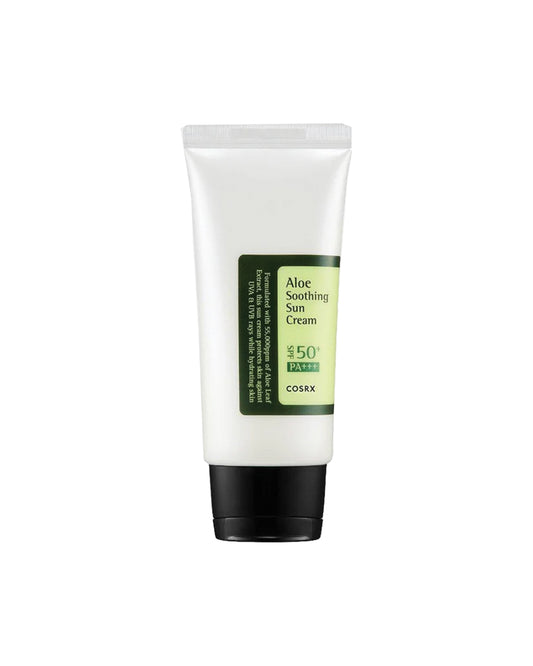
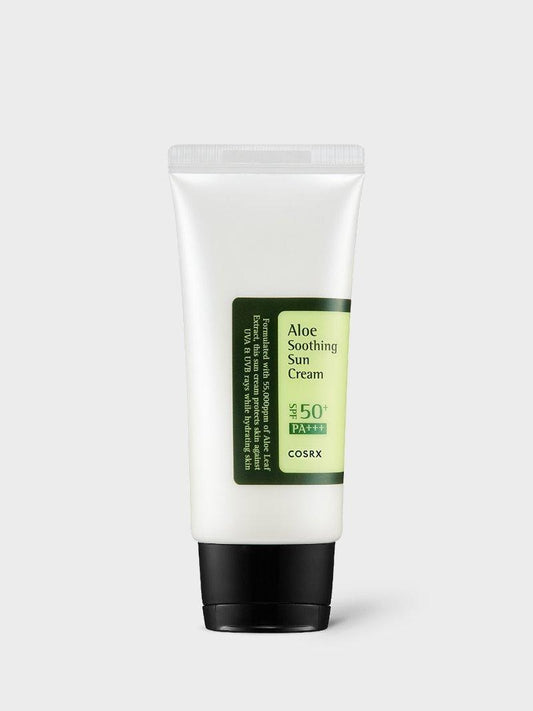
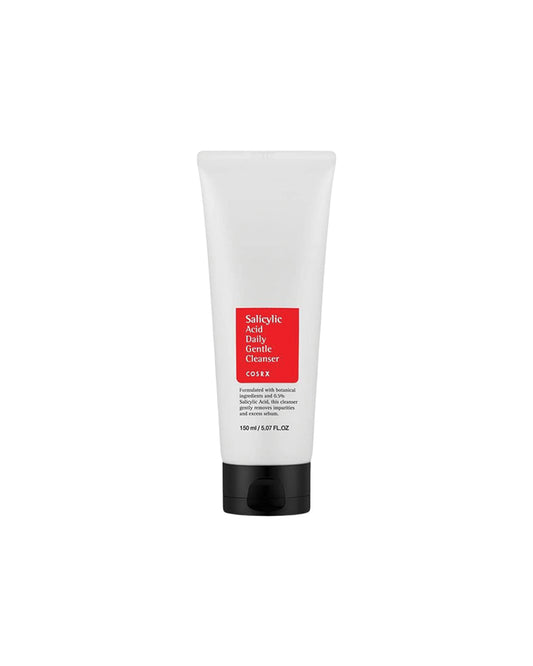
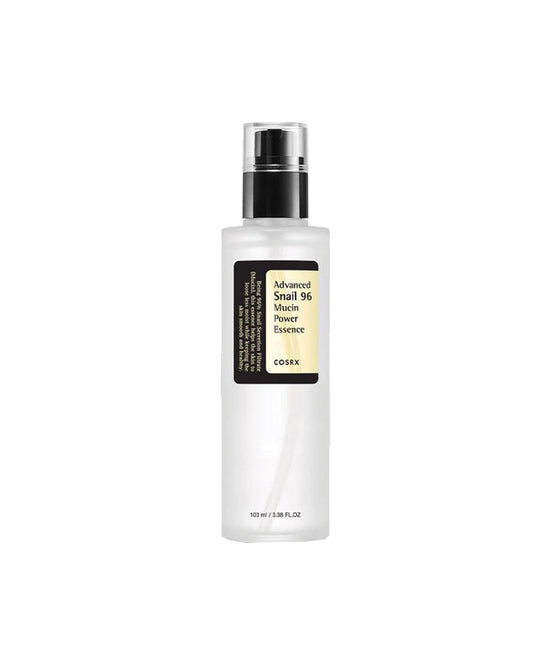
The presence of many different products in your wholesale Korean skincare products list may seem appealing. However, do many products mean many sales?
This is not always true.
Some cosmetic shops learn that the number of products in their stock list that account for the majority of the company's turnover is quite modest. That is when the 80/20 rule or Pareto Principle comes in handy.
In essence, a small percentage of your products may be responsible for the vast majority of your sales.
Of course, the proportion of products varies depending on the particular business, but the principle allows you to see which products require more marketing and effort.
If you are a Korean skincare wholesale distributor, it is essential for retailers to know about this principle before ordering their next batch of products.
Q1. How does the 80/20 rule apply to Korean skincare retail?
The 80/20 rule indicates that 80% of the outcomes can come from 20% of the inputs.
For example, when applied to beauty retail, it implies that:
- A limited number of SKUs bring most sales
- Only some brands contribute most of the revenue
- Particular categories bring most of the repeat purchases
- A limited number of products consume the majority of the customers' time
- This rule does not mean that every retailer will have exactly the 80/20 ratio.
Rather, the 80/20 rule urges retailers to think about:
"What products bring the most sales?"
Q2. Why is the 80/20 rule significant for Korean skincare wholesalers and retailers?
Retailers can carry 100 or even 500 SKUs, yet not all of them contribute equally to the sales process.
Some products may be sold every week, whereas others will never be purchased within several months.
By treating every SKU equally, retailers risk spending excessive sums on SKUs that do not contribute to the overall revenue generation.
Using the 80/20 rule, retailers can direct their efforts towards:
- Top products
- High-turnover SKUs
- Repeat-purchase products
- Product categories
This will be more beneficial for Korean skincare wholesale buying.
Q3. How do I identify the 20% of Korean skincare products that provide the largest percentage of my sales?
Start by looking at your sales data.
Make a list of your Korean skincare products and evaluate them in terms of:
What products generate high revenue?
What products sell the highest number of units?
What products require frequent restocking?
What products are generating decent profits?
What products do customers request?
By analyzing all these aspects, you will usually start identifying a distinct pattern.
It is likely that there are a couple of products that are consistently performing better than other items in your portfolio.
Q4. Is it necessary to invest in the best-selling product?
Not always.
Sales volume is essential, but it is not the sole determining factor.
Think of two products:
Product A
- Sell 100 units
- Low profit margin
- Rarely purchased again
Product B
- Sell 60 units
- Higher profit margin
- Frequent reorder
Although Product A sells more in terms of units, Product B may be more useful for the company.
That is why retailers should take into account both profitability and reorder potential.
Q5. What Korean skincare categories have good potential for repeat purchases?
Categories that are daily use in nature have high reorder potential.
Some examples are:
- Facial cleansers
- Sunscreen
- Moisturizer
- Toner
- Serum
- Barrier care
However, performance of category will depend on the type of target market.
A category that works really well for one retailer might not work well for others.
This is why it is important for retailers to analyze sales data in conjunction with K-beauty industry trend.
Q6. Should all other products except 20% be taken out of shelves?
Not necessarily.
80/20 rule does not imply that all other products that do not perform well will have to be taken out.
Slow movers can serve a special purpose such as:
- Complete skincare routine
- Attract certain customer segment
- Cross sell
- Exposure to a different category
- Provide variety
The idea is not to provide variety. The idea is to no longer treat each product equally important.
Q7. How should the retailers manage their best Korean skincare product SKUs?
The best products require careful monitoring and ensure that:
✔ Are always in stock
✔ Have sufficient inventory
✔ Have appropriate shelf visibility
✔ Participate in appropriate promotions
✔ Are reordered in advance to prevent running out of stock
Having no stock of the best products is worse than having no stock of the slow movers.
Q8. Why is stock availability critical for your top 20%?
Imagine your customers coming to your store again and again to buy a particular Korean sunscreen.
One time they come and find it unavailable.
If it will happen repeatedly, then at some point they will simply switch to another retailer.
The bestsellers are not only products but potential retention strategy for you.
That's why cooperation with the trustworthy Korean skincare wholesale distributor is so critical for retailers dependent on product availability.
Q9. Can the 80/20 rule help retailers to minimize dead stock?
Yes, it can.
Once the retailers have determined their bestsellers, they can use them to evaluate their worst products in comparison:
Inventory Type
Retailer Action
High sales + high repeat demand
Prioritize
High sales + low margin
Revise price
Low sales + high potential
Trial test
Low sales + low demand
Eliminate
It allows making rational decisions rather than emotional ones.
Q10. How often should retailers reevaluate their best-selling products?
The efficiency of the goods will be constantly changing.
An efficient product at one point in time may become inefficient further on.
Similarly, the initial popularity of a product can be low, but once people become acquainted with the product, it will become a best-seller.
Thus, you should consistently review:
- Sales performance
- Frequency of orders
- Feedback from consumers
- Seasonality
- Profitability of the goods
This is a necessity for keeping up your inventory of Korean skincare up-to-date with consumer needs.
Q11. Is it possible that the trend on social media can affect your 80/20 ratio?
Sure.
There are many reasons why the goods have gotten such a burst of popularity including:
- TikTok
- Instagram
- Influencers
- Beauty creators
- Going viral
However, it is crucial for retailers to differentiate between a flash of attention and sustained consumer demand.
The product which was part of a viral trend might experience an abrupt sales spike but not become a consistent best-seller.
That is why it is important for the retailers to evaluate how long this trend lasts.
- Is the product still popular?
- Do customers make repeat purchases?
- Do people buy products related to it?
Q12. How can a Korean skincare wholesale distributor help retailers recognize top-performing products?
An experienced Korean skincare wholesale distributor can bring a wealth of insight regarding:
- Demand for products
- Category shifts
- Stock levels
- New products
- Reorders
But retailers should still analyze their own customer data.
The most well-informed purchasing decisions can be made when taking into account:
Market know-how + sales information + customer behavior + distributor experience
Q13. Is there a need for new retailers to follow the 80/20 rule?
Yes – but with caution.
The truth is that new retailers don't have enough history to determine their top 20%.
What retailers can do is choose a narrower set of products and track its performance over time.
Rather than purchasing tens of SKU's straight off, retailers can start by:
- Purchasing a selective assortment of products
- Tracking sales
- Identifying winners
- Building on top sellers
- Phasing out slow movers
This way the retailers minimize unnecessary risks.
Q14. What is the biggest takeaway of the 80/20 rule?
The biggest takeaway is simple.
Not all products are equal in terms of their contribution to your business.
It's not your job as a retailer to sell everything.
Your job as a retailer is to determine the wants of your customers and create an inventory based on that.
Successful Korean skincare wholesalers are not necessarily those who carry the largest number of products.
Conclusion
The 80/20 principle in Korean skincare is not an exact formula. It is simply an approach to inventory management.
Rather than asking:
"How much inventory do I need to carry?"
Ask:
"What products am I really selling and making money off of?"
After determining which products are your strongest, you can plan your finances, stock levels, and purchases accordingly.
For retailers, this means:
- Less wasted inventory
- Better inventory management
- Fewer issues with dead stock
- Improved cash flow
- Greater focus on best-selling products
And for businesses that work with a Korean skincare wholesale distributor, knowing your top products makes each order more calculated.
Because in the beauty industry, more products don’t necessarily equal greater sales.