




Korean Skincare Myths Retailers Still Believe (FAQ Guide for Beauty Sellers)
Korean skincare is one of the fastest-growing beauty trends worldwide. In Dubai, the beauty market is no exception, and the demand for Korean skincare products is increasing day by day. Customers are constantly searching for products that promise glowing, healthy skin.
Unfortunately, many beauty retailers and sellers still believe several myths about Korean skincare that are no longer true. In this guide, we address some of the most common questions and misconceptions we hear from skincare and beauty retailers.
1. Is Korean Skincare Just About the 10-Step Routine?
No — and this is one of the biggest myths associated with Korean skincare.
It is true that the 10-step skincare routine played a major role in making Korean skincare popular worldwide. However, modern Korean skincare routines are much simpler.
Today, the average routine typically includes 3–5 essential steps, such as:
-
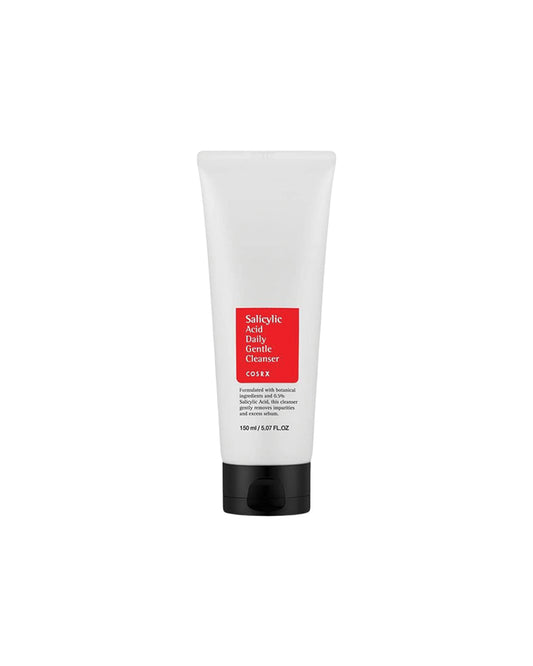
Cleanser
-
Toner
-
Serum or treatment
-
Moisturizer
-
Sunscreen
Retailers should focus on selling complete skincare routines rather than individual products.
2. Do Korean Skincare Products Work Only for Asian Skin?
Absolutely not.
Korean skincare products are designed to address skin concerns, not ethnicity. Customers in the Middle East commonly experience concerns such as:
-
Dehydration caused by air conditioning
-
Sun damage and pigmentation
-
Acne caused by heat and humidity
Many Korean skincare products contain hydrating and soothing ingredients that work well for different skin types worldwide.
3. Are Korean Skincare Products Too Gentle to Show Results?
Another common myth.
Korean skincare brands are well known for using advanced and innovative ingredients, including:
-
Centella Asiatica
-
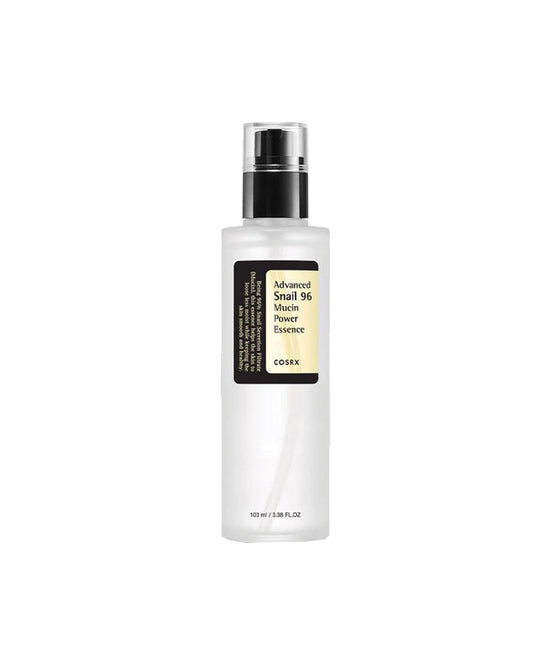
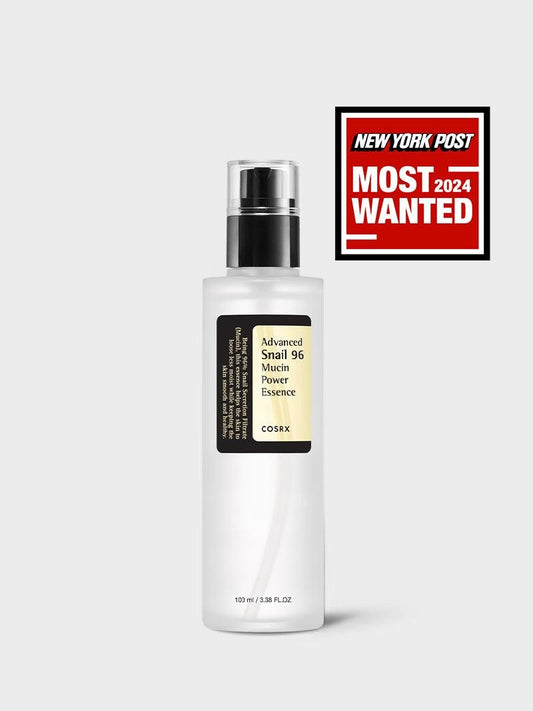
Snail mucin
-
Niacinamide
-
Hyaluronic acid
-
Fermented extracts
These ingredients are designed to deliver visible results while remaining gentle on the skin.
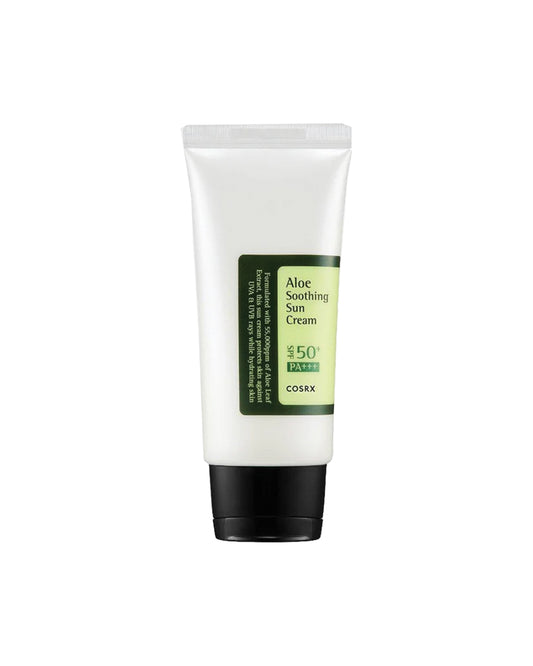
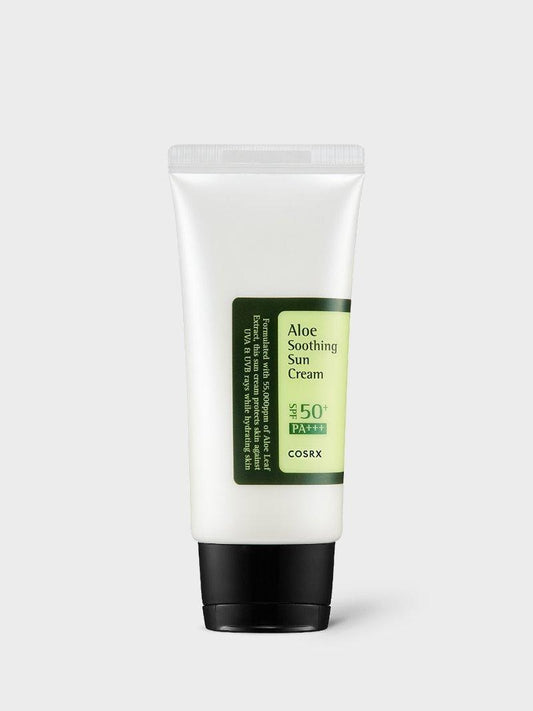
4. Why Are Korean Sunscreens So Popular?
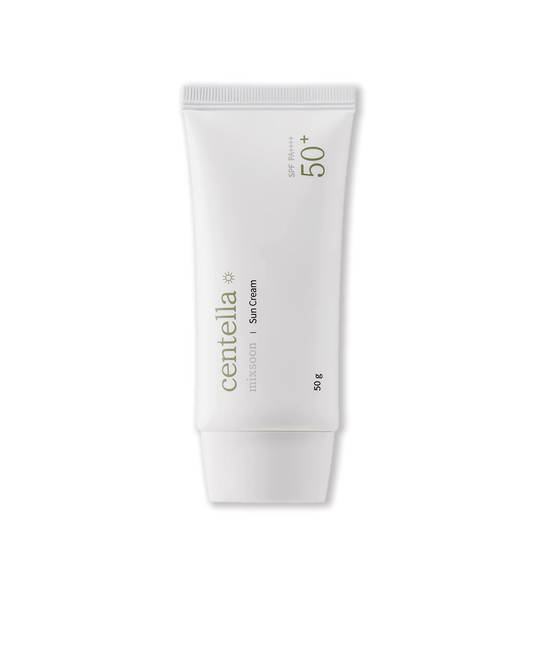
Korean sunscreens are highly popular because they provide strong sun protection with a lightweight feel.
Unlike traditional sunscreens, Korean sunscreens often:
-
Do not feel greasy
-
Do not feel heavy on the skin
-
Provide hydration
-
Are comfortable for daily wear
In sunny regions like the UAE, sunscreen is one of the most in-demand korean skincare products for retailers.
5. Are Sheet Masks Still Trending?
Yes — especially for impulse purchases.
Sheet masks remain popular because they:
-
Provide instant hydration
-
Are affordable and easy to try
-
Encourage repeat purchases
For retailers, sheet masks are considered a low-risk inventory product because they tend to sell quickly.
6. Do Customers Really Care About Ingredients?
More than ever.
Modern consumers are highly aware of skincare ingredients and often research products before making a purchase.
Some of the most frequently asked-about ingredients include:
-
Hyaluronic acid
-
Niacinamide
-
Centella
Retailers who understand these ingredients can build stronger trust and credibility with customers.
7. Why Is Korean Skincare Growing So Fast Globally?
Korean skincare has gained worldwide popularity due to several key factors:
-
Continuous innovation
-
Affordable luxury
-
Focus on long-term skin health rather than quick fixes
-
Unique textures and advanced formulas
These elements have helped Korean skincare stand out in the global beauty industry.
8. What Should New Retailers Focus on When Selling Korean Skincare?
Instead of stocking random products, new retailers should focus on building a complete skincare routine, including:
-
A gentle cleanser
-
A hydrating toner
-
A treatment serum
-
A moisturizer
-
A sunscreen
Offering a full routine encourages customers to purchase multiple complementary products instead of just one.
Final Thoughts
Korean skincare is more than just a trend — it represents a new philosophy of skincare focused on healthy, long-term results.
For retailers, understanding Korean skincare helps in:
-
Explaining products better to customers
-
Building trust with consumers
-
Increasing repeat purchases
When customers feel educated and confident about their skincare choices, they are more likely to return for their next skincare routine.