




How to Compare Korean Skincare Wholesale Suppliers Without Focusing on Price
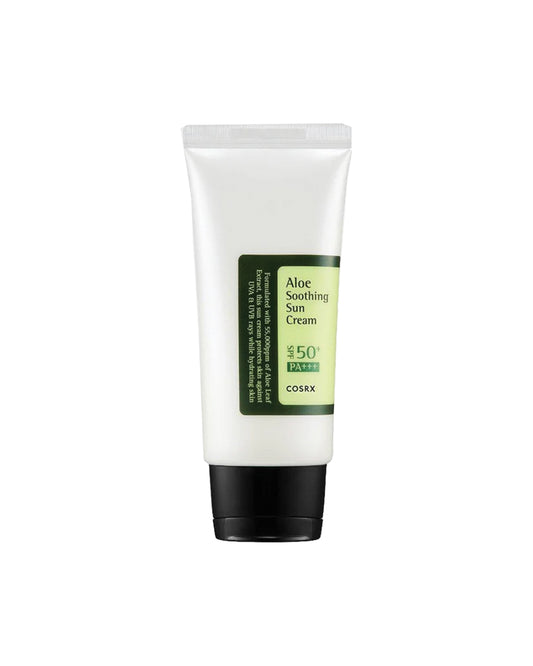
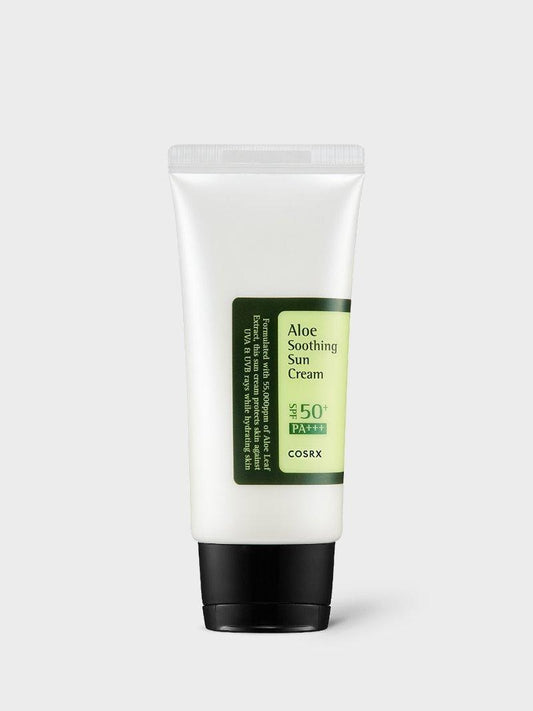
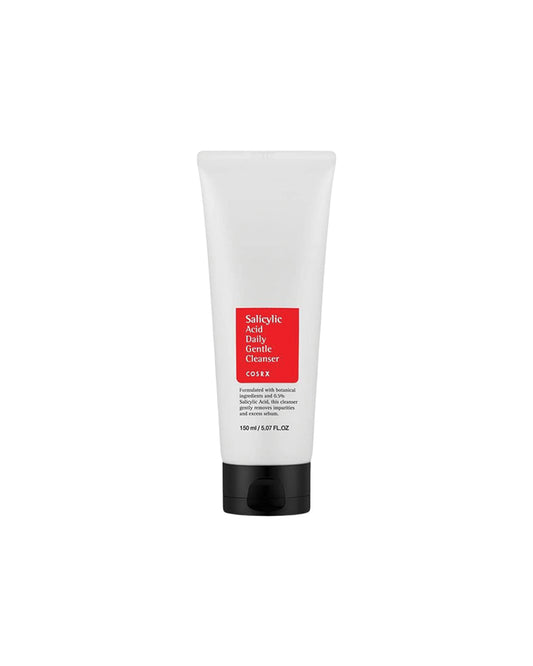
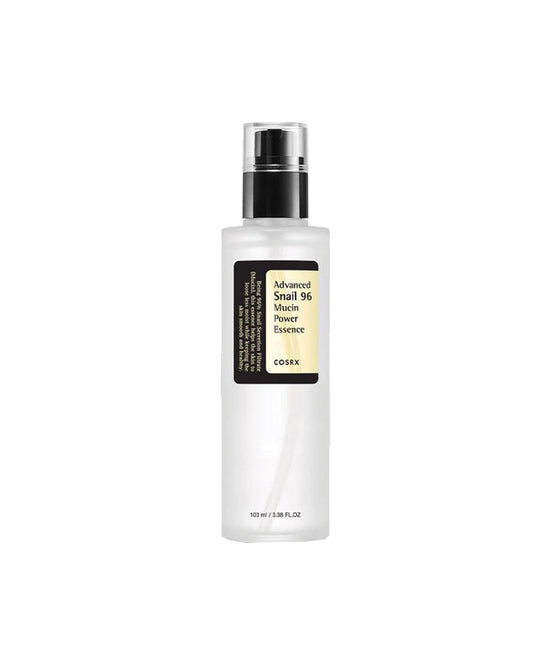
1. Is the supplier offering Korean skincare products?
2. How consistent is the suppliers stock availability?
3. What are the suppliers MOQs and ordering requirements?
4. How reliable are the suppliers delivery times?
Wholesale purchasing is also a supply-chain decision.
If orders consistently arrive late retailers may run out of moving products lose potential sales or have to purchase emergency stock from other suppliers.
When comparing skincare wholesale suppliers consider delivery reliability alongside product pricing. Ask about expected lead times order processing, delivery coverage and how the supplier handles stock or shipping issues.
A higher product cost can be worthwhile if it comes with significantly more dependable supply.
5. Does the supplier offer the right product assortment?
A supplier with thousands of products is not automatically better.
Retailers should evaluate whether the supplier carries the skincare brands and product categories that actually fit their customer base.
A useful wholesale partner should make it easier to build an assortment across categories such as cleansers, toners, serums, moisturizers, sunscreens and targeted treatments.
The goal is not to buy the possible number of SKUs. It is to build an assortment with a commercial purpose.
6. Does the supplier support retailers beyond the transaction?
Wholesale should not end when an order is delivered.
Retailers can benefit from suppliers who understand product movement, replenishment, assortment planning and changing market demand.
When comparing a skincare wholesale distributor consider the level of communication and support available.
- Can the supplier help with product selection?
- Is communication consistent?
- Can they provide information about products and availability?
These factors can make a difference as the business grows.
7. What is the real cost of choosing the supplier?
The cheapest invoice does not necessarily represent the business cost.
Retailers should consider the picture:
- Product price
- MOQ requirements
- Shipping and delivery costs
- Stock availability
- Lead times
- Slow-moving inventory risk
- Reorder reliability
- Product authenticity
- Supplier responsiveness
- Long-term supply consistency
This gives retailers a realistic view of supplier value rather than simply comparing unit prices.
Conclusion
The right Korean skincare supplier should be evaluated as a long-term supply partner, not just as a source of cheaper products. Price matters,. So do authenticity, availability, flexibility, delivery reliability, assortment and service.
For retailers the better question is not "Who has the price?". Which supplier gives my business the most reliable value?"
A supplier that supports stock, sensible ordering and dependable supply can contribute far more to sustainable retail growth, than a supplier chosen purely because of a lower price.