

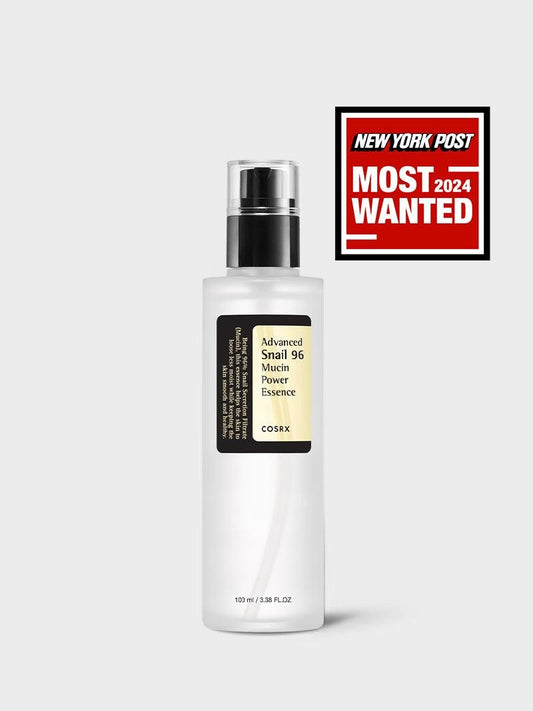


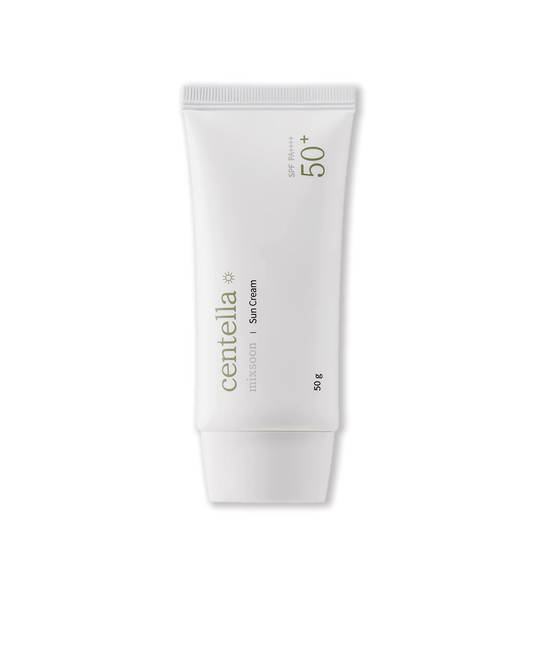

Skin Barrier Health: Why It Matters and How to Strengthen It
Healthy, glowing skin isn’t just about the latest product trend or expensive treatments—it starts with something deeper: a strong and balanced skin barrier. Over the last few years, dermatologists and skincare experts have emphasized barrier health as the foundation of any effective routine. But what exactly is the skin barrier, why is it so important, and how can you keep it in its best shape?
Let’s break it down step by step.
What Is Your Skin Barrier?
Your skin barrier is the outermost layer of your skin, known scientifically as the stratum corneum. Think of it as a brick wall.
-
The skin cells (corneocytes) are the bricks.
-
The lipids (fatty substances like ceramides, cholesterol, and fatty acids) are the mortar holding them together.
This layer is your first line of defense against the environment. It keeps harmful elements like bacteria, allergens, and pollution out while locking moisture in. When it’s healthy, skin feels soft, plump, and resilient. When it’s damaged, you may notice dryness, sensitivity, redness, or breakouts.
Why Is Skin Barrier Health So Important?
A healthy barrier is essential for:
-
Moisture Retention: Prevents transepidermal water loss (TEWL) so your skin stays hydrated.
-
Protection: Shields from pollutants, UV damage, and environmental toxins.
-
Calmness: Reduces irritation, redness, and reactivity.
-
Anti-Aging: Slows down the appearance of fine lines and roughness caused by dehydration.
Without a strong barrier, even the most luxurious skincare products won’t work as intended, because the skin won’t be able to retain or respond to them effectively.
Signs Your Skin Barrier Is Damaged
Many people don’t realize their barrier is compromised until symptoms appear. Look out for:
-
Persistent dryness or flakiness
-
Increased redness or visible irritation
-
A sudden surge in sensitivity to products that once felt fine
-
Breakouts or rashes after using active ingredients
-
A tight, uncomfortable feeling after cleansing
If any of these sound familiar, your skin might be crying out for barrier repair.
Common Causes of a Weakened Skin Barrier
-
Over-Exfoliation
Using harsh scrubs, strong acids, or exfoliating too frequently can strip away protective layers. -
Harsh Cleansers
High-foaming, sulfate-heavy cleansers can deplete the lipids your skin needs to stay soft and protected. -
Environmental Stressors
Pollution, sun exposure, and harsh weather (like dry desert winds or icy climates) can chip away at barrier strength. -
Incorrect Use of Actives
Overdoing retinoids, AHAs, or other actives without proper hydration can leave skin vulnerable. -
Neglecting Moisture
Skipping moisturizer or using one without enough lipids and humectants prevents proper repair.
How to Strengthen Your Skin Barrier
1. Simplify Your Routine
If your barrier is compromised, cut back to the basics:
-
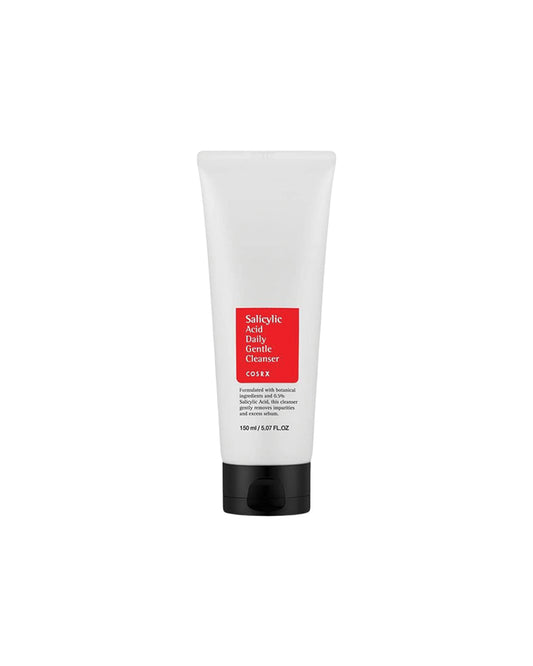
Gentle cleanser
-
Barrier-repairing moisturizer
-
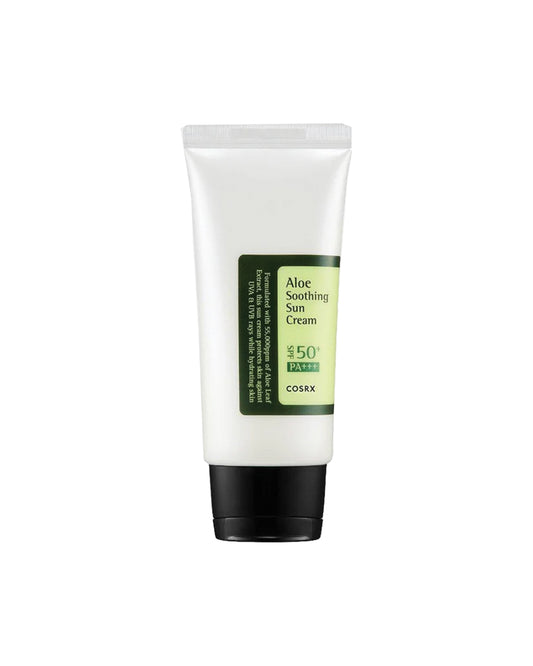
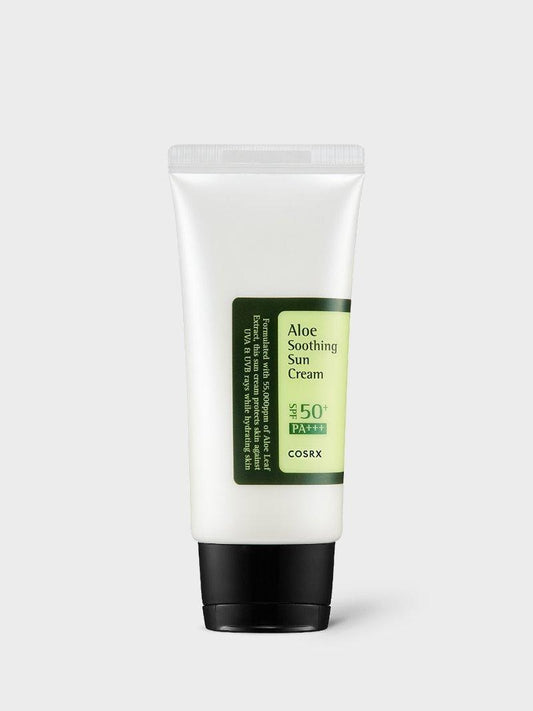
Broad-spectrum sunscreen
This gives your skin time to heal without further stress.
2. Incorporate Barrier-Friendly Ingredients
Look for products rich in:
-
Ceramides: Replace lost lipids.
-
Fatty Acids: Support flexibility and moisture retention.
-
Cholesterol: Completes the lipid mix.
-
Hyaluronic Acid: Draws water into the skin.
-
Niacinamide: Strengthens and soothes at the same time.
3. Use Hydrating Layers
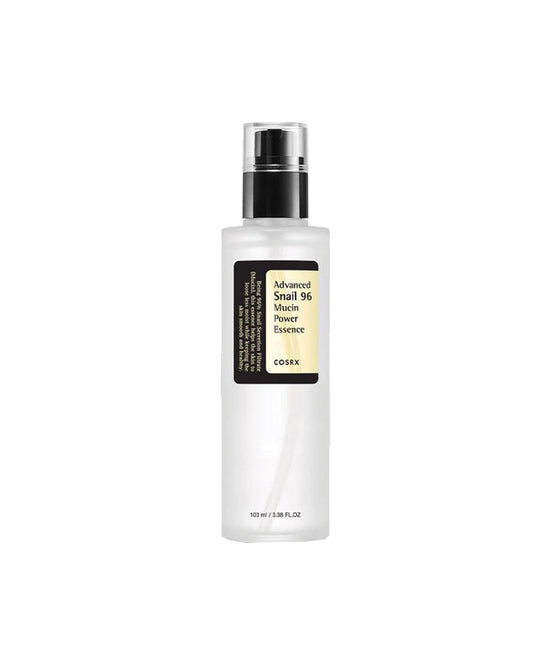
Apply hydrating toners or essences before heavier creams to boost water levels in your skin.
4. Avoid Over-Cleansing
Wash your face twice a day at most with a gentle, pH-balanced cleanser. Skip cleansing in the morning if your skin feels fine—just rinse with water.
5. Protect From the Sun
UV exposure breaks down collagen and disrupts barrier function. Daily sunscreen is non-negotiable, even indoors if you’re near windows.
6. Limit Active Treatments
When healing, pause strong retinoids, high-concentration AHAs/BHAs, and physical exfoliation until your skin feels comfortable again.
7. Seal in Moisture
A richer moisturizer or even a facial oil can act as an occlusive, locking hydration in while your barrier rebuilds.
Building a Routine That Respects Your Skin Barrier
Morning Routine:
-
Gentle cleanser or water rinse
-
Hydrating toner or essence
-
Lightweight ceramide serum
-
Barrier-focused moisturizer
-
Broad-spectrum SPF 30 or higher
Evening Routine:
-
Mild cleanser to remove dirt and sunscreen
-
Nourishing essence or serum with niacinamide or hyaluronic acid
-
Rich moisturizer (look for formulas with ceramides and fatty acids)
-
Optional: a few drops of skin-friendly oil if very dry
Skin Barrier Myths You Should Ignore
-
Myth: “If your skin feels tight, it means it’s clean.”
Truth: Tightness often signals a damaged barrier and dehydration. -
Myth: “You need to exfoliate every day for glowing skin.”
Truth: Over-exfoliation is one of the fastest ways to ruin your barrier. -
Myth: “Oily skin doesn’t need moisturizer.”
Truth: Even oily skin types need hydration; skipping it often leads to more oil production.
The Long-Term Benefits of a Strong Barrier
When you consistently care for your skin barrier, you’ll notice:
-
Softer, smoother texture
-
Less redness and irritation
-
Products working more effectively
-
A natural glow that doesn’t depend on makeup
-
Reduced risk of premature aging
Think of your skin barrier as your skin’s foundation. If the foundation is weak, nothing layered on top will hold up. But when it’s strong, everything you do to your skin works better.
Pro Tips from Experts
-
Introduce new products slowly. Patch-test before applying widely.
-
Pay attention to seasonal changes. Your skin might need richer creams in winter and lighter gels in summer.
-
Stay hydrated and eat a balanced diet—your skin’s health reflects your overall health.
-
Consider adding omega-3 fatty acids (from foods like salmon or flaxseed) to support lipid production internally.
Final Thoughts
Your skin barrier is your skin’s unsung hero, working around the clock to keep you protected and glowing. By learning how to care for it, you’re investing in the long-term health of your skin rather than chasing quick fixes.
Start with gentle routines, choose barrier-supportive ingredients, and listen to what your skin is telling you. With time, patience, and the right products, your barrier will thrive—giving you radiant, resilient skin that looks and feels its best.